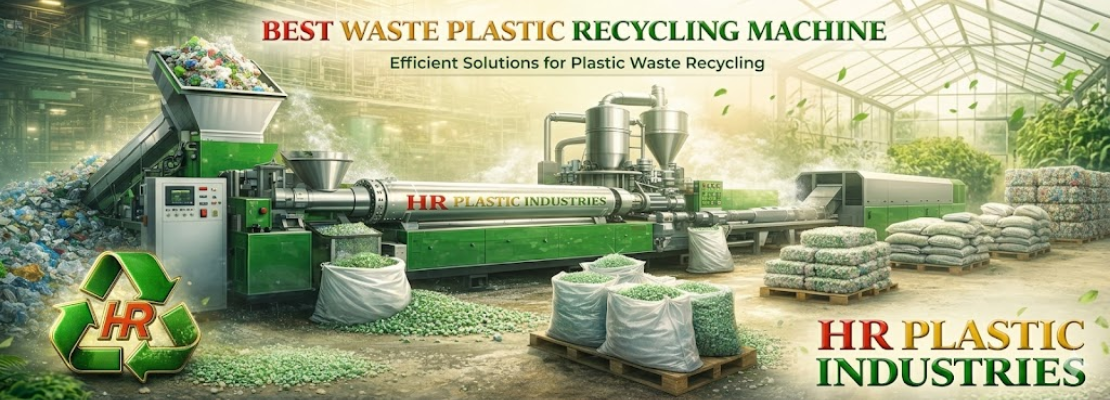
Best Waste Plastic Recycling Machine
Best Waste Plastic Recycling Machine
Plastic waste recycling has become an essential part of modern industrial operations, where efficiency, sustainability, and cost control play a critical role. The best waste plastic recycling machine is not defined by a single model, but by its ability to deliver consistent output, handle different types of plastic, and maintain long-term operational reliability.
Industries today require machines that can process plastic waste into reusable granules without compromising quality. Selecting the right recycling system depends on production scale, material type, and the level of automation required.
Understanding What Makes a Recycling Machine “Best”
A waste plastic recycling machine is considered effective when it processes plastic waste efficiently while maintaining consistent output quality. The best systems are designed with integrated processes that reduce manual intervention and improve overall productivity.
These machines typically convert plastic waste into reusable granules through controlled stages such as shredding, washing, drying, melting, and pelletizing. The final output quality depends on how well each stage is managed. Machines equipped with advanced control systems and durable components tend to deliver better performance and long-term operational stability.
Key Types of Waste Plastic Recycling Machines
Plastic recycling is not handled by a single machine but by a combination of systems working together. An efficient setup includes multiple machines, each performing a specific function.
- Shredders and crushers reduce large plastic waste into smaller pieces for easier processing
- Granulators refine plastic into uniform particles
- Washing and drying systems remove contaminants and moisture
- Extruders melt plastic and convert it into a continuous flow
- Pelletizers form uniform granules ready for reuse
Each component plays a critical role in ensuring that the final recycled material meets industrial quality standards.
Single Stage vs Two Stage Recycling Machines
Different industries require varying levels of processing based on material contamination and output expectations.
Single-stage recycling machines are suitable for clean industrial scrap where minimal processing is required. These machines offer faster processing and relatively lower energy consumption.
Two-stage recycling machines are designed for heavily contaminated or mixed plastic waste. They provide improved filtration and better granule quality, making them suitable for more demanding industrial applications. Choosing between these systems depends on the type of plastic waste and the desired output quality.
Applications of Waste Plastic Recycling Machines
Waste plastic recycling machines are widely used across industries where plastic waste generation is significant. Their ability to convert waste into reusable material makes them essential for sustainable manufacturing processes.
- Plastic manufacturing units for recycling production scrap
- Packaging industries for reprocessing films and containers
- Injection molding units for reusing rejected components
- Agricultural sector for recycling plastic sheets and pipes
- Industrial plants handling bulk plastic waste
These applications highlight the importance of recycling machines in maintaining efficient and responsible industrial operations.
Key Features of the Best Waste Plastic Recycling Machine
The performance of a recycling machine depends on its design, build quality, and technological features. High-quality machines are equipped with features that improve productivity and reduce operational interruptions.
- High-efficiency motors for stable and continuous operation
- Durable blades and components for handling tough materials
- Advanced filtration systems for improved granule quality
- Energy-efficient design to reduce operational costs
- Automation systems for consistent and repeatable output
Machines with these features provide reliable performance and long-term operational advantages.
How to Choose the Best Recycling Machine for Your Needs
Selecting the best waste plastic recycling machine requires a clear understanding of operational requirements and material characteristics. Businesses should evaluate key factors before making a decision.
- Type of plastic waste such as HDPE, PP, PET, or PVC
- Required production capacity and output consistency
- Level of automation needed for operations
- Energy consumption and maintenance requirements
- Availability of service support and spare parts
A well-selected machine ensures smooth operation and improved productivity over time.
Benefits of Using Advanced Recycling Machines
Modern recycling machines offer advantages that extend beyond basic waste management. They support both operational efficiency and environmental responsibility.
- Conversion of waste into reusable raw material
- Reduction in raw material procurement costs
- Improved production efficiency and resource utilization
- Lower environmental impact through reduced landfill waste
- Support for sustainable manufacturing practices
These benefits make recycling machines a valuable investment for industries focused on long-term performance.
Future Trends in Plastic Recycling Technology
The recycling industry continues to evolve with advancements in automation, energy efficiency, and material processing technologies. Modern machines are designed to handle complex plastic waste while maintaining consistent output quality.
Innovations such as smart control systems, improved filtration technologies, and integrated recycling lines are enhancing operational efficiency. Industries are increasingly adopting automated systems to reduce manual intervention and improve consistency.
As environmental regulations continue to strengthen, the demand for high-performance recycling machines is expected to grow steadily.
Conclusion
The best waste plastic recycling machine is one that aligns with specific operational requirements, material type, and production goals. Instead of focusing on a single model, industries should consider a complete recycling system that includes shredding, washing, extrusion, and pelletizing processes.
By selecting the right machine with advanced features and reliable performance, businesses can improve efficiency, reduce waste, and support sustainable manufacturing practices.
Frequently Asked Questions
Filter Using Tags
