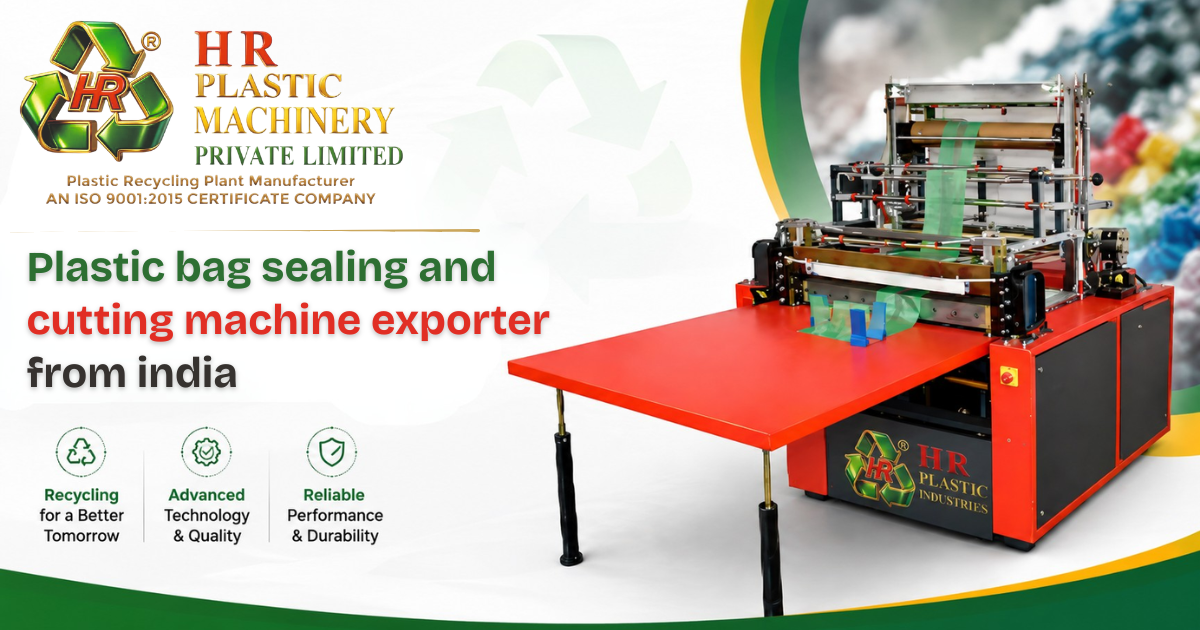
plastic bag sealing and cutting machine exporter from india
Leading Indian exporter of high-quality plastic bag sealing and cutting machines. Reliable, efficient solutions for your packaging needs.
Why This Matters in India
India's rapidly expanding manufacturing and e-commerce sectors drive a significant need for advanced packaging machinery. As businesses scale up their operations, the requirement for robust, high-speed plastic bag sealing and cutting machines becomes increasingly critical. From small-scale producers to large industrial complexes, the ability to efficiently package goods for sale, transport, and storage is a fundamental aspect of business success.
The "Make in India" initiative further bolsters the domestic manufacturing of such equipment, fostering innovation and ensuring availability. Companies seeking reliable packaging solutions look to established Indian manufacturers and exporters who understand local market needs and global quality standards. This creates a dynamic environment where quality, efficiency, and cost-effectiveness are key differentiators for machinery providers.
What is a Plastic Bag Sealing and Cutting Machine? — Overview
A plastic bag sealing and cutting machine is an automated or semi-automated piece of industrial equipment designed to create sealed edges on plastic bags and then precisely cut them to a desired length. These machines typically use heat sealing technology to fuse the plastic film together, creating a strong, airtight, and leak-proof seam. Simultaneously, a cutting mechanism, often a hot knife or a blade, severs the film to produce individual bags.
These machines are essential for packaging a wide range of products, from food items and consumer goods to industrial components and medical supplies. They ensure product freshness, prevent contamination, and provide a professional presentation. The operation can range from simple manual feeding and sealing to fully automated systems that handle the entire process from film roll to finished bag.
Key Features and Technical Specifications
When evaluating plastic bag sealing and cutting machines, several key features and technical specifications are crucial for optimal performance and suitability to your production needs:
- Sealing Type: Options include impulse sealing (for lower volume or varied materials) and constant heat sealing (for high-volume, consistent sealing).
- Cutting Mechanism: Hot wire cutters offer clean seals and cuts, while blade cutters provide a mechanical cut.
- Maximum Bag Width/Length: Determines the size of bags the machine can produce.
- Sealing Temperature Control: Precise temperature adjustment is vital for different plastic types and thicknesses.
- Conveyor System: Integrated conveyors can automate product placement and removal for higher throughput.
- Speed/Cycle Rate: Indicates how many bags the machine can process per minute or hour.
- Material Compatibility: Specifies the types of plastic films (e.g., PE, PP, PVC, BOPP) the machine can effectively handle.
- Power Requirements: Voltage and wattage specifications to ensure compatibility with your facility's power supply.
Industrial Applications and Use Cases
Plastic bag sealing and cutting machines are indispensable across a multitude of industries, streamlining packaging processes and ensuring product integrity:
- Food Packaging: Sealing and cutting bags for snacks, grains, spices, frozen foods, and confectionery to maintain freshness and prevent spoilage.
- Retail and Apparel: Packaging garments, accessories, and small retail items in clear or printed plastic bags for display and protection.
- Medical and Pharmaceutical: Sealing sterile packaging for medical devices, pharmaceuticals, and laboratory supplies to maintain a hygienic environment.
- Industrial Components: Packaging hardware, fasteners, electronic parts, and other small industrial items for organized storage and distribution.
- Agricultural Products: Sealing bags for seeds, fertilizers, and animal feed to protect them from moisture and contamination.
- Consumer Goods: Packaging toys, stationery, and household items for retail sale.
- Printing and Stationery: Sealing and cutting bags for printed materials, documents, and office supplies.
- E-commerce Fulfillment: Rapidly packaging items for online orders, ensuring secure delivery.
How to Choose the Right Plastic Bag Sealing and Cutting Machine
Selecting the appropriate plastic bag sealing and cutting machine involves careful consideration of your specific operational requirements. A systematic approach will ensure you invest in equipment that maximizes efficiency and longevity.
- Production Volume: Assess your daily or hourly output needs to determine the required speed and automation level of the machine.
- Bag Size and Type: Identify the dimensions and material composition of the bags you will be producing.
- Sealing Quality Requirements: Determine if airtight, leak-proof, or simply a secure seal is necessary for your products.
- Automation Level: Decide between semi-automatic machines requiring manual feeding or fully automatic systems for continuous operation.
- Material Handling: Consider if the machine needs to handle specific film types, thicknesses, or pre-printed rolls.
- Ancillary Features: Evaluate the need for features like date coders, batch counters, or conveyor integration.
- Supplier Support: Investigate the availability of installation assistance, training, spare parts, and after-sales service.
- Budget and ROI: Balance the initial investment against the expected gains in productivity and reduced waste.
Quality Standards and Compliance
For any industrial machinery, adherence to quality standards and compliance with relevant regulations is non-negotiable. Reputable manufacturers of plastic bag sealing and cutting machines ensure their equipment meets stringent quality benchmarks. This often includes certifications like ISO 9001 for quality management systems, demonstrating a commitment to consistent product quality and customer satisfaction.
Buyers should verify that the machines are constructed with durable, high-grade materials that can withstand continuous operation. Electrical safety standards, such as those governed by IEC (International Electrotechnical Commission) or equivalent national standards, are also critical to ensure safe operation and prevent hazards. Compliance with environmental regulations regarding energy efficiency and material usage may also be a consideration. A supplier's transparency regarding their manufacturing processes and adherence to these standards is a strong indicator of their commitment to delivering reliable and safe machinery.
Why Hr Plastic Machinery Pvt. Ltd. Experience and Capability Matters
With an establishment dating back to 1987, Hr Plastic Machinery Pvt. Ltd. brings decades of hands-on experience and deep technical expertise to the manufacturing of plastic processing machinery. This extensive history signifies a profound understanding of the evolving needs within the plastics industry, particularly in producing reliable equipment like plastic bag sealing and cutting machines.
Their manufacturing process is built on a foundation of precision engineering and a commitment to quality control at every stage. The company's technical capability is evident in its ability to design and produce machines that are both efficient and durable, catering to a wide spectrum of industrial applications. The team's collective experience allows them to offer insightful guidance and develop customized solutions that precisely match client requirements.
Hr Plastic Machinery Pvt. Ltd. emphasizes robust quality assurance protocols, ensuring that each machine leaving their facility meets rigorous performance standards. Their capacity for customization, coupled with a proven track record of reliable delivery and comprehensive after-sales support, positions them as a trustworthy partner for businesses seeking high-performance packaging machinery. This dedication to excellence, built over many years, is what truly sets them apart.
Installation, Maintenance, and Care Tips
Proper installation, regular maintenance, and diligent care are essential for maximizing the lifespan and operational efficiency of your plastic bag sealing and cutting machine. Following these guidelines will help prevent downtime and ensure consistent performance.
- Installation: Ensure the machine is installed on a stable, level surface. Connect it to a power supply that matches the manufacturer's specifications, paying close attention to voltage and grounding requirements. Allow adequate ventilation around the machine.
- Initial Setup: Before the first use, familiarize yourself with the operator's manual. Calibrate the sealing temperature and time according to the plastic film type you will be using. Test the cutting mechanism to ensure clean cuts.
- Daily Checks: Before starting production, visually inspect the sealing elements (wires or bars) and cutting blades for any damage or debris. Check that all moving parts are lubricated as per the manual.
- Regular Cleaning: Keep the machine clean, especially the sealing jaws and cutting area. Dust and plastic residue can affect seal quality and blade performance. Use a soft, dry cloth or a brush for cleaning.
- Scheduled Maintenance: Adhere to the manufacturer's recommended maintenance schedule. This typically includes checking and replacing worn sealing wires, Teflon tapes, or cutting blades. Lubricate moving parts periodically.
- Troubleshooting: If you encounter issues like poor seals or uneven cuts, consult the troubleshooting section of the manual. Common causes include incorrect temperature settings, worn components, or debris buildup.
- Spare Parts: Keep a stock of critical spare parts, such as sealing wires, Teflon tape, and cutting blades, to minimize downtime in case of failure.
Frequently Asked Questions
Our plastic bag sealing and cutting machines are designed to be versatile, capable of handling a wide range of thermoplastic films including Polyethylene (PE), Polypropylene (PP), PVC, BOPP, and others. Specific model capabilities can accommodate different film thicknesses and types, so it's best to consult the product specifications or our sales team for precise compatibility.
The optimal sealing temperature and time depend on the type and thickness of the plastic film being used. We recommend conducting test runs with your specific material. Generally, start with a lower temperature and gradually increase it while adjusting the sealing time until a strong, clean seal is achieved without melting or damaging the film.
Production speed varies significantly based on the model and its level of automation. Semi-automatic machines might produce between 10-30 bags per minute, while fully automatic, high-speed machines can achieve rates of 50-100 bags per minute or even higher, depending on the bag size and complexity of the sealing and cutting process.
The frequency of replacement depends on usage intensity and the type of material being sealed. Sealing wires and Teflon tapes typically last for thousands of seals but should be inspected regularly for wear. Cutting blades may require sharpening or replacement after extensive use to maintain clean, precise cuts.
Yes, customization is a key aspect of our offerings. We can often modify machines to accommodate specific bag widths, lengths, or sealing requirements. Additional features like date coders, gusseting attachments, or specialized cutting patterns can also be integrated based on your unique production needs.
We offer comprehensive after-sales support, including installation guidance, operator training, and readily available spare parts. Our machines come with a standard warranty period, covering manufacturing defects. We are committed to ensuring your machinery operates efficiently long after purchase.
Conclusion
For businesses in India and globally seeking reliable and efficient plastic bag sealing and cutting machinery, partnering with an experienced manufacturer like Hr Plastic Machinery Pvt. Ltd. is a strategic advantage. Their extensive history, technical prowess, and commitment to quality ensure that you receive equipment built for performance and longevity.
When selecting a machine, carefully assess your production volume, bag specifications, and desired level of automation. Prioritize suppliers who demonstrate a strong understanding of quality standards, offer customization options, and provide robust after-sales support. Investing in the right packaging machinery is an investment in your product's integrity, your brand's presentation, and your overall operational success.
Get In Touch
Hr Plastic Machinery Pvt. Ltd.
