H.R. PLASTIC MACHINERY PVT. LTD.
Plastic Recycling Machine in India
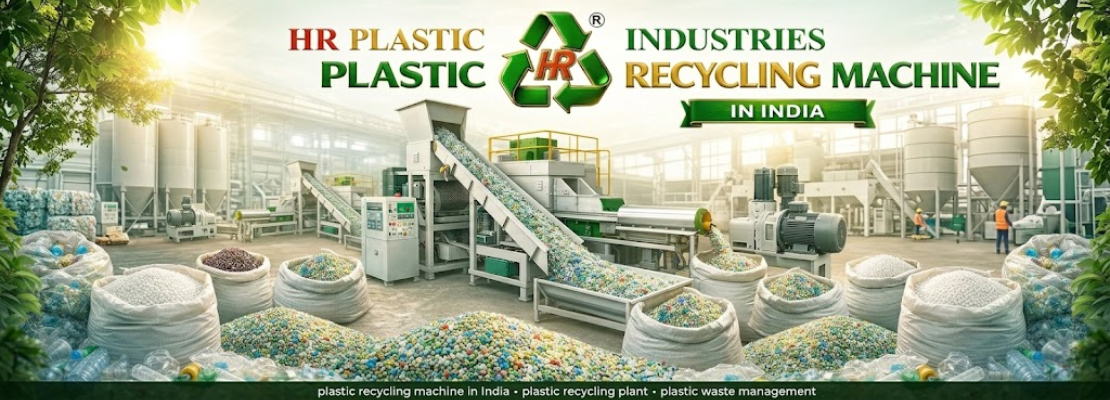
Plastic Recycling Machine in India
Plastic Recycling Machine in India | HR Plastic Industries
HR Plastic Industries
Plastic Recycling Machine in India
Plastic waste management has become a critical concern for industries and regulatory bodies across India. With the rising use of plastic in packaging, manufacturing, and everyday applications, the demand for structured recycling solutions has increased significantly. A plastic recycling machine in India plays an essential role in converting plastic waste into reusable raw materials, helping industries maintain efficiency while reducing environmental impact.
Across key industrial regions, recycling machinery is being widely adopted to manage both post-consumer and industrial plastic waste effectively. These machines are designed to process various types of plastic and convert them into usable forms such as granules or flakes. This approach supports sustainable manufacturing practices and helps reduce reliance on virgin plastic resources.
Understanding How Plastic Recycling Machines Work
A plastic recycling machine in India operates through a series of interconnected processes that ensure efficient transformation of waste plastic into reusable material. The process begins with the collection and sorting of plastic waste, followed by size reduction through shredding or crushing.
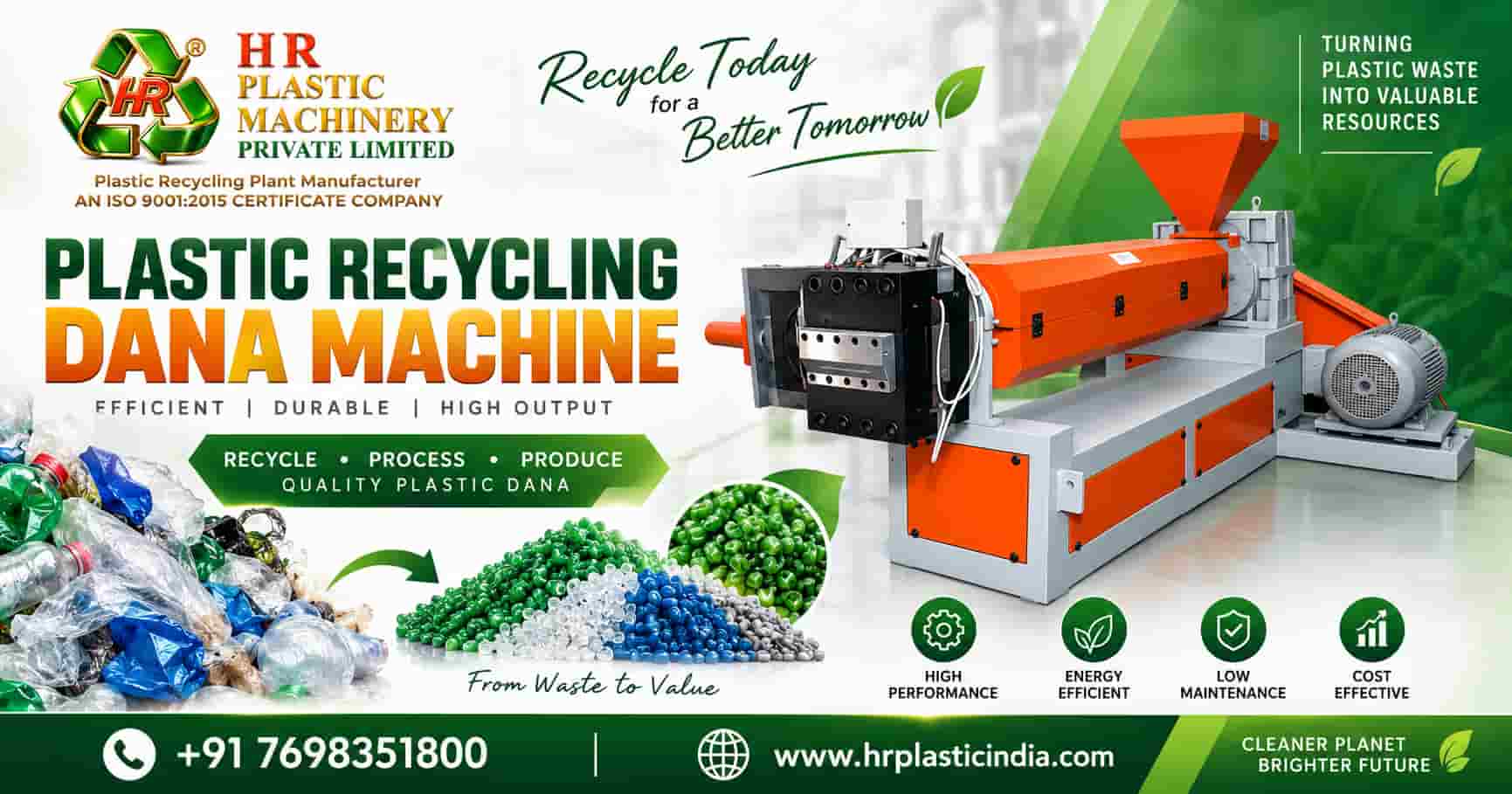
Once the material is reduced to manageable sizes, it undergoes cleaning to remove impurities such as dust, labels, and contaminants. After cleaning, the plastic is melted and processed through an extrusion system, where it is shaped into uniform strands or pellets. These are then cooled and cut into granules, which can be reused in various manufacturing applications.
The overall efficiency of the process depends on the machine design, control systems, and its ability to handle different types of plastic materials consistently.
Importance of Plastic Recycling Machines in India's Industrial Growth
India's industrial sector is expanding rapidly, with industries such as packaging, automotive, textiles, and construction relying heavily on plastic materials. As production increases, so does the generation of plastic waste, making efficient recycling systems essential.
A plastic recycling machine in India enables industries to manage waste internally, reducing disposal costs and improving material utilization. By converting waste into reusable granules, manufacturers can integrate recycled materials into their production cycles, improving both cost efficiency and sustainability.
In addition, recycling machines support compliance with environmental regulations and government initiatives focused on reducing plastic waste. This makes them a key component of modern industrial infrastructure.
Types of Plastic Recycling Machines Used in India
Different types of plastic recycling machines are used based on the nature of the waste and the desired output. Each machine is designed to perform a specific function within the recycling process.
- Shredders and crushers for reducing plastic waste size
- Washing systems for removing contaminants and impurities
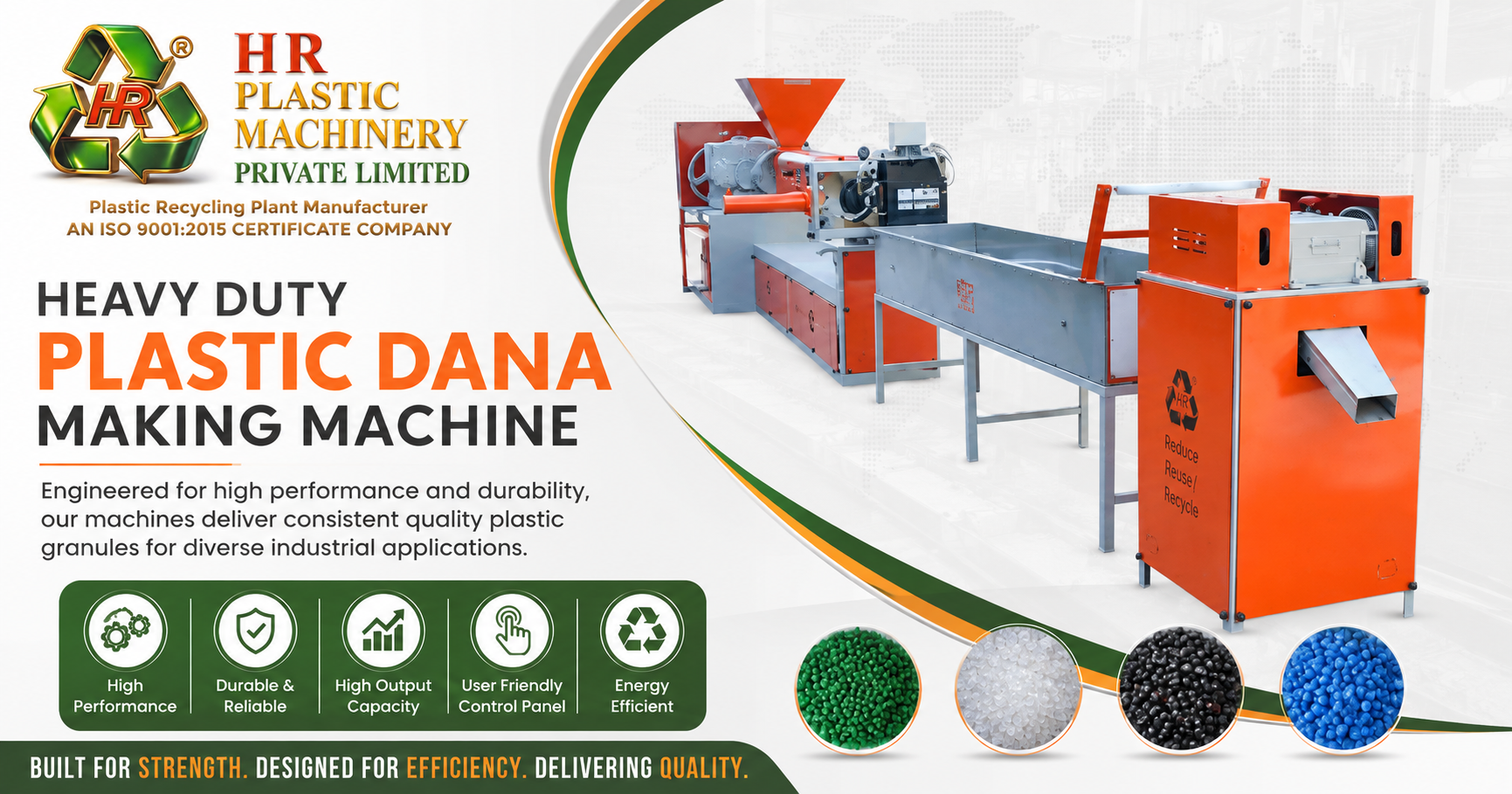
- Extrusion machines for melting and processing plastic
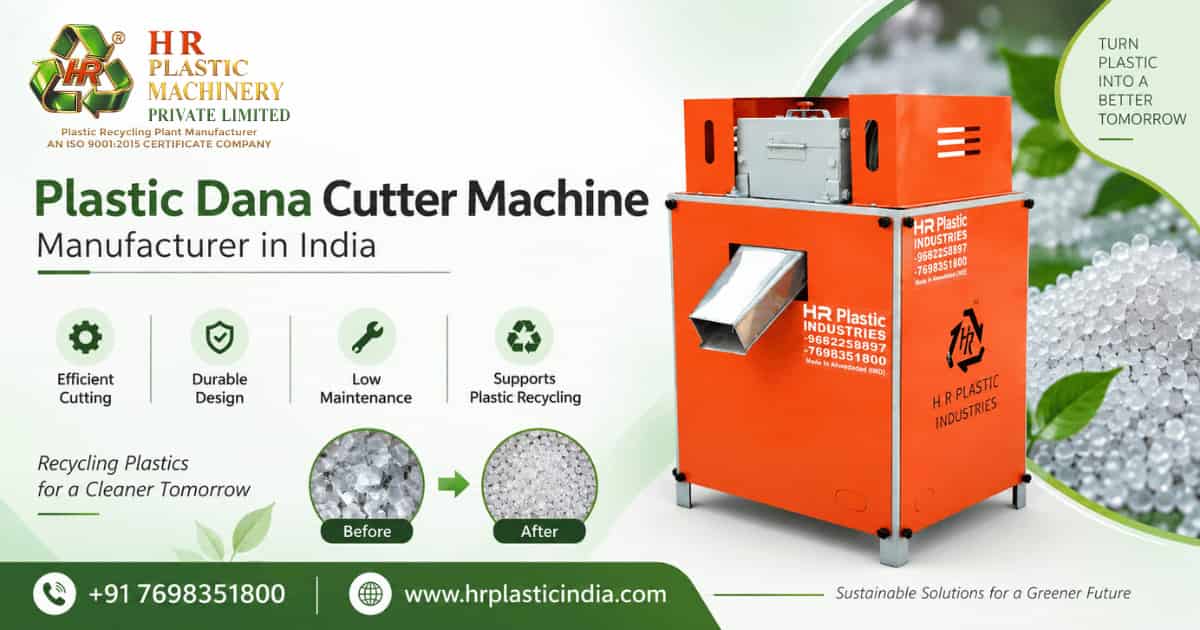
- Pelletizing machines for converting material into granules
- Agglomerators for processing lightweight plastic films
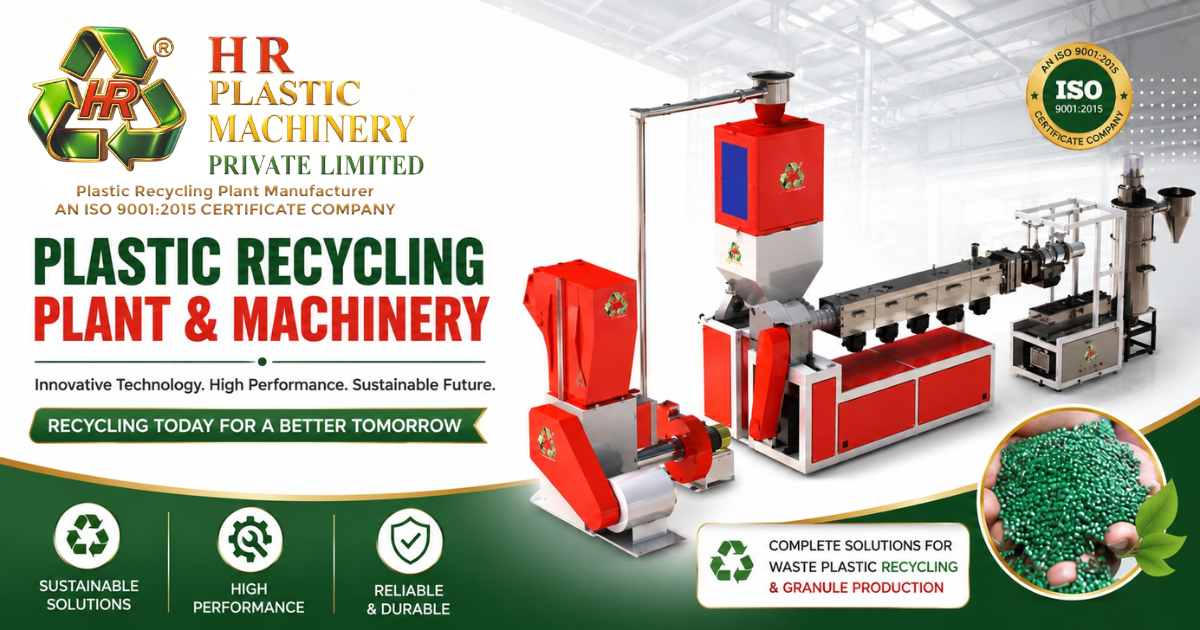
These machines can be used individually or integrated into a complete recycling line, depending on operational requirements.
Applications Across Various Industries
Plastic recycling machines in India are widely used across industries that generate significant amounts of plastic waste. Their flexibility makes them suitable for a broad range of applications.
- Packaging industries handling plastic films and containers
- Textile industries processing non-woven and synthetic materials
- Manufacturing units generating plastic scrap during production
- Recycling facilities managing mixed plastic waste
- Automotive and construction sectors using recycled plastic components
These applications highlight the importance of recycling machinery in maintaining both operational efficiency and sustainability.
Key Features of Modern Plastic Recycling Machines
Modern plastic recycling machines are engineered for high performance, durability, and precision. Their advanced features ensure consistent output quality and efficient operation across industrial environments.
- Robust construction for long-term industrial use
- Energy-efficient motors and control systems
- Multi-stage processing for improved material quality
- Automated controls for enhanced operational accuracy
- Compatibility with a wide range of plastic materials
These features allow industries to achieve reliable performance while maintaining consistent product quality.
Advantages of Using Plastic Recycling Machines
The use of plastic recycling machines offers several practical benefits for industries in India. These advantages extend beyond waste management and contribute to overall operational efficiency.
- Reduction in raw material costs through reuse of recycled plastic
- Improved waste management and reduced landfill dependency
- Enhanced production efficiency with consistent material supply
- Support for environmental sustainability and regulatory compliance
- Increased value recovery from industrial waste
These benefits make recycling machines a strategic investment for industries aiming to optimize their processes.
Role of Recycling in India's Circular Economy
The concept of a circular economy focuses on minimizing waste and maximizing resource utilization. Plastic recycling machines play a crucial role in this approach by enabling the reuse of materials that would otherwise be discarded.
In India, the growing adoption of recycling technologies is contributing to a more sustainable industrial ecosystem. By converting waste into valuable resources, industries can reduce their environmental footprint and create a more efficient production cycle.
This approach supports not only industrial growth but also broader environmental goals such as reduced pollution and conservation of natural resources.
Factors to Consider When Choosing a Plastic Recycling Machine
Selecting the right plastic recycling machine in India requires careful evaluation of operational needs and technical requirements. Industries must consider several factors to ensure optimal performance.
- Type and volume of plastic waste generated
- Required output quality and production capacity
- Energy consumption and operational efficiency
- Maintenance requirements and availability of technical support
- Compatibility with existing production systems
Considering these factors helps in choosing the most suitable machine for specific industrial applications.
Future Trends in Plastic Recycling Technology
The future of plastic recycling in India is being shaped by continuous innovation and technological advancements. Industries are increasingly adopting automated systems and advanced processing techniques to improve efficiency and output quality.
Emerging trends include the integration of smart control systems, improved filtration technologies, and enhanced material separation methods. These developments are expected to further improve the performance and reliability of plastic recycling machines.
As environmental awareness continues to grow, the demand for efficient recycling solutions is likely to increase, making plastic recycling machines an integral part of future industrial operations.
Frequently Asked Questions
What is a plastic recycling machine?
A plastic recycling machine is industrial equipment used to process plastic waste into reusable materials
such as granules or flakes through shredding, cleaning, melting, and extrusion processes.
How does a plastic recycling machine work?
It works by collecting plastic waste, reducing its size, cleaning it, melting it through an extruder, and
converting it into uniform granules that can be reused in manufacturing.
What types of plastic can be recycled?
Most machines can process materials such as PP, HDPE, LDPE, PET, and other industrial plastic waste,
depending on the machine configuration.
Why is plastic recycling important in India?
Plastic recycling helps reduce environmental pollution, conserve resources, and support sustainable
industrial practices by converting waste into reusable materials.
Where are plastic recycling machines used?
They are used in industries such as packaging, manufacturing, textiles, and recycling facilities where
plastic waste is generated.
What is the output of a recycling machine?
The output typically includes plastic granules or pellets that can be reused in various manufacturing
processes.
Get in Touch
Address
Email
Phone
Recent Posts