H.R. PLASTIC MACHINERY PVT. LTD.
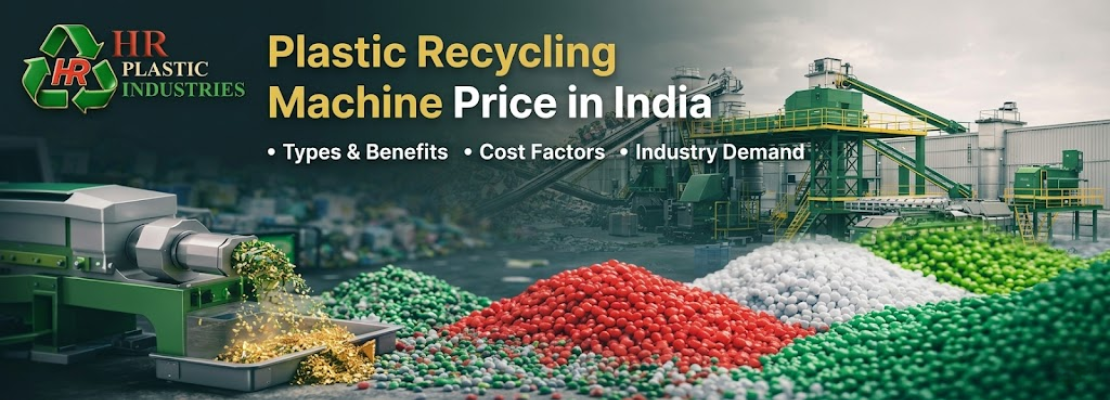
Plastic Recycling Machine Price in India
Plastic Recycling Machine Price in India
Plastic Recycling Machine Price in India | H.R. Plastic Industries
Email
[email protected]
H.R. Plastic Industries · Est. 1987
Plastic Recycling Machine
Plastic Recycling Machine
Price in India
Plastic waste management has become a critical concern across industries in India, driving the demand for efficient recycling solutions. Businesses involved in plastic processing, manufacturing, and waste management are increasingly adopting advanced recycling machinery to convert plastic scrap into reusable raw material. Understanding plastic recycling machine price in India is not only about evaluating cost but also about selecting the right technology that ensures efficiency, durability, and long-term operational value.
The pricing of plastic recycling machines in India depends on several factors, including machine type, production capacity, level of automation, and the required output quality. As industries move toward sustainable practices, investing in suitable recycling equipment has become a strategic decision that directly impacts productivity and environmental responsibility.
About the Manufacturer
About H.R. Plastic Industries
Established in 1987, H.R. Plastic Industries is engaged in manufacturing a wide range of plastic processing machinery, including plastic dana making machines, PVC pipe making machines, scrap grinder machines, automatic dryers, and die face cutters. The company focuses on delivering quality-driven solutions aligned with customer requirements while maintaining transparent business practices.
With a strong emphasis on sustainability, the organization integrates advanced technology into its processes to support efficient recycling operations. It maintains consistent product standards and supports industries across India through reliable supply and service capabilities.
Overview
Understanding Plastic Recycling Machines and Their Role
Plastic recycling machines are designed to process waste plastic materials and convert them into reusable granules or pellets. These machines play a crucial role in reducing environmental impact while supporting continuous industrial production cycles. The recycling process typically involves multiple stages, including shredding, washing, drying, melting, and pelletizing.
A well-designed recycling system ensures uniform output quality, minimizes material loss, and enhances overall productivity. Industries such as packaging, automotive, agriculture, and consumer goods rely heavily on recycled plastic materials, making these machines an essential part of modern manufacturing systems.
Key Considerations
Factors Affecting Plastic Recycling Machine Price in India
The price of plastic recycling machines varies significantly based on technical specifications and operational requirements. Businesses should carefully evaluate the following key factors before making a decision.
Machine Type and Configuration
Different machines, such as single-stage recycling plants, two-stage systems, die face cutters, and granule making machines, have varying cost structures depending on their complexity and functionality.
Production Capacity
Higher-capacity machines capable of processing large volumes of plastic waste generally involve higher investment due to increased power requirements, size, and output efficiency.
Automation Level
Fully automatic systems equipped with advanced control panels, temperature regulation, and safety features are typically priced higher than semi-automatic setups. However, they offer better consistency and reduced dependency on manual labor.
Material Compatibility
Machines designed to handle multiple types of plastics, such as HDPE, LDPE, PP, and PVC, require more advanced engineering, which can influence overall pricing.
Build Quality and Components
The quality of components such as the screw barrel, motors, heating systems, and cutting mechanisms significantly affects machine durability, performance, and long-term operational cost.
Product Range
Types of Plastic Recycling Machines Available
Plastic recycling systems are available in multiple configurations to suit different industrial requirements. Each type serves a specific function within the recycling process.
-
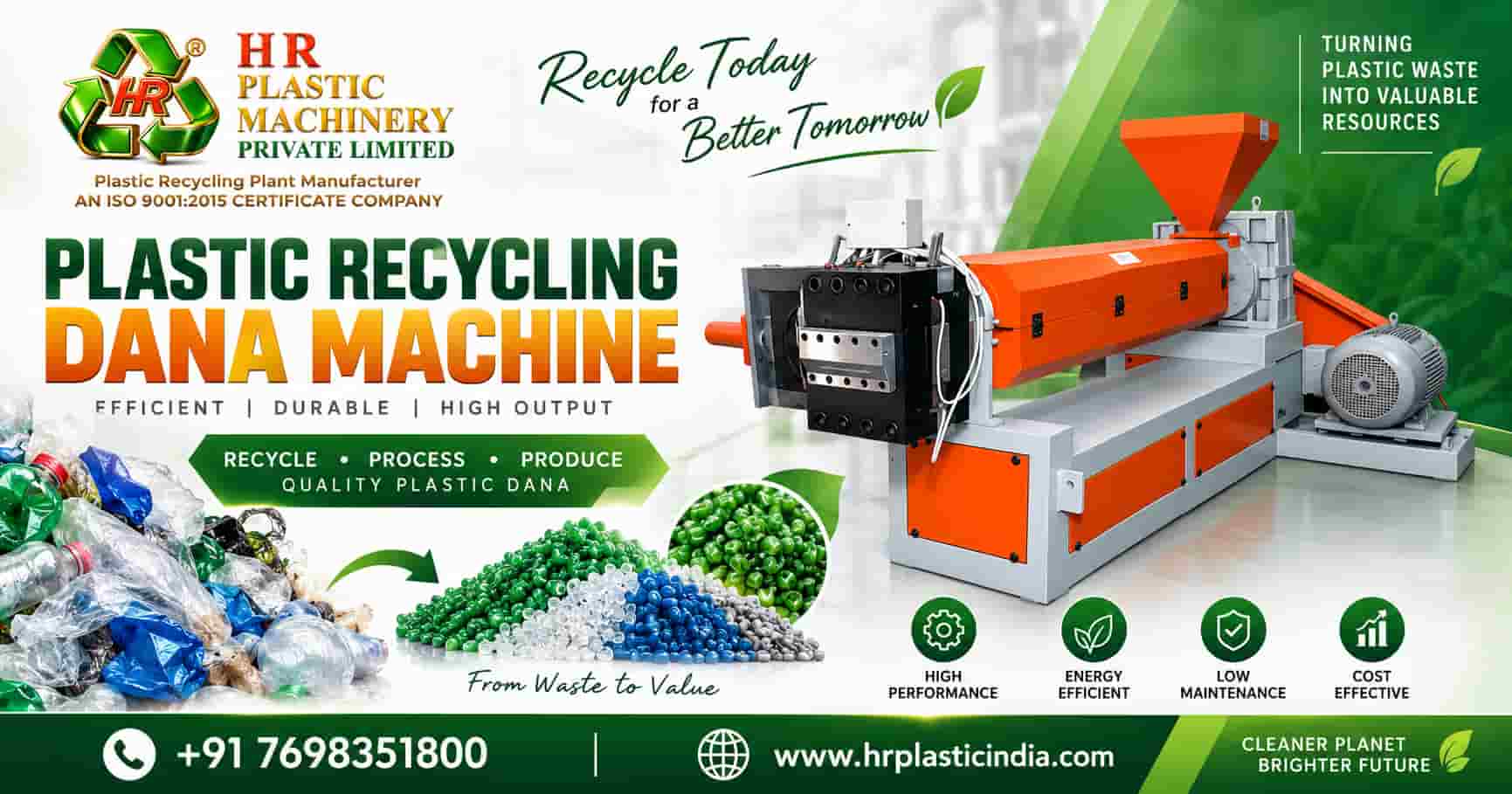
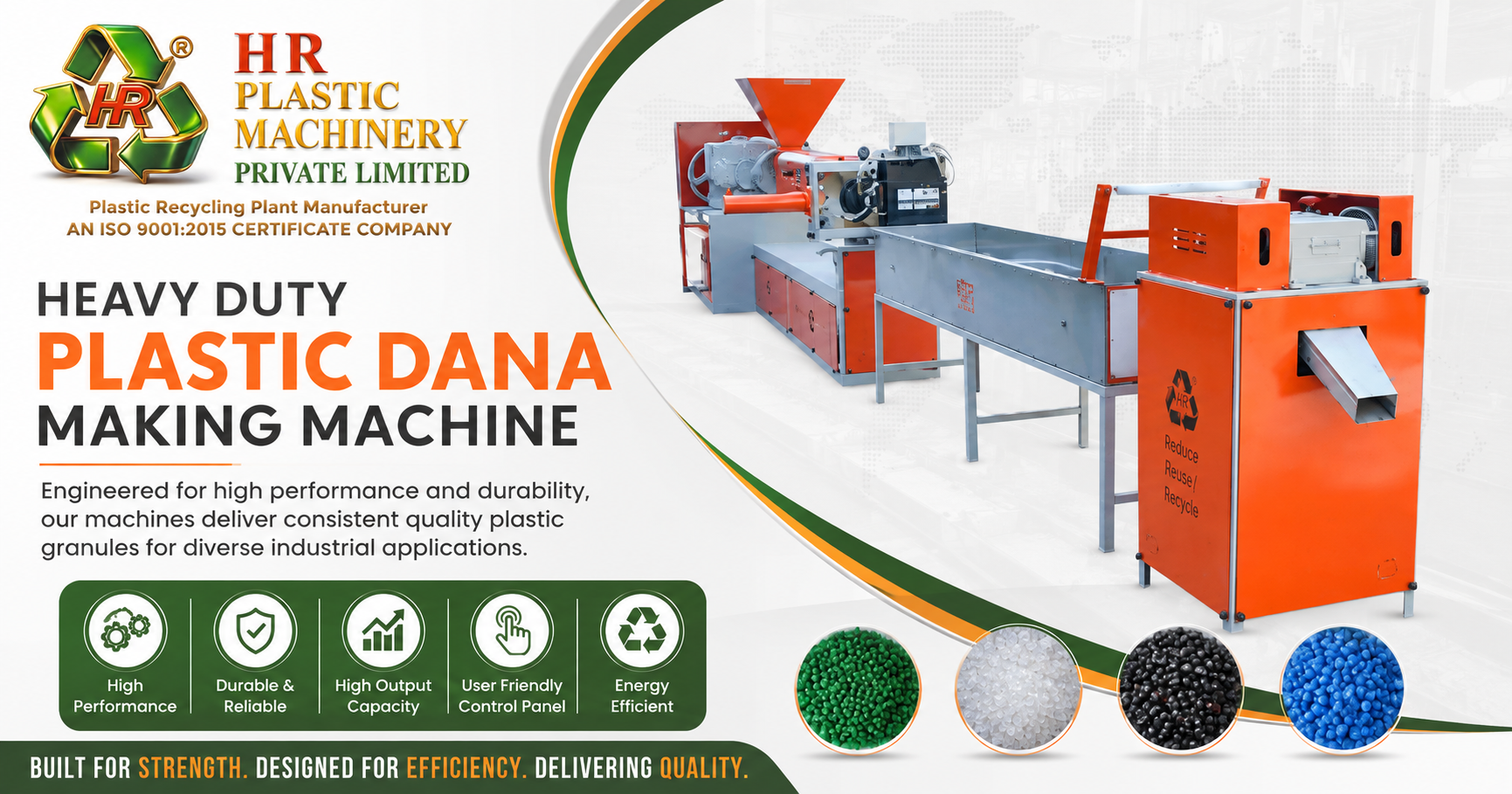
Plastic Dana Making Machine
Used for converting plastic scrap into uniform granules suitable for reuse in manufacturing applications.
-
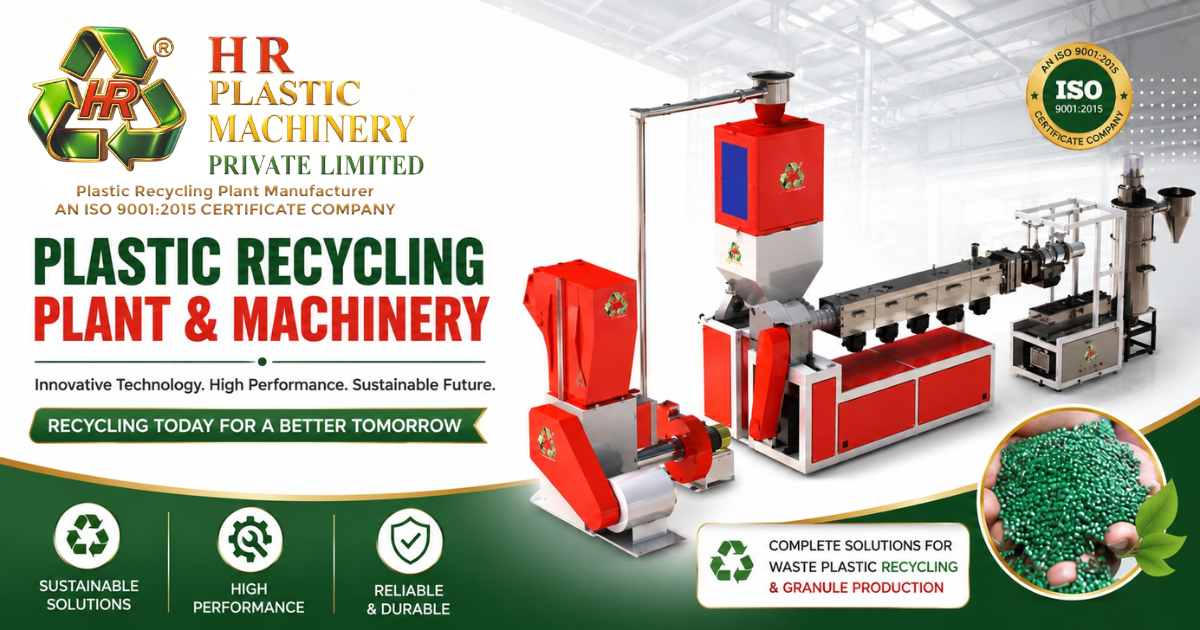
Automatic Recycling Plant
An integrated system that performs shredding, washing, drying, and pelletizing in a continuous and efficient process.
-
Two Stage Recycling Plant
Designed for improved filtration and superior granule quality, especially when processing contaminated plastic materials.
-
Plastic Scrap Grinder Machine
Breaks down large plastic waste into smaller particles, making it easier to process further.
-
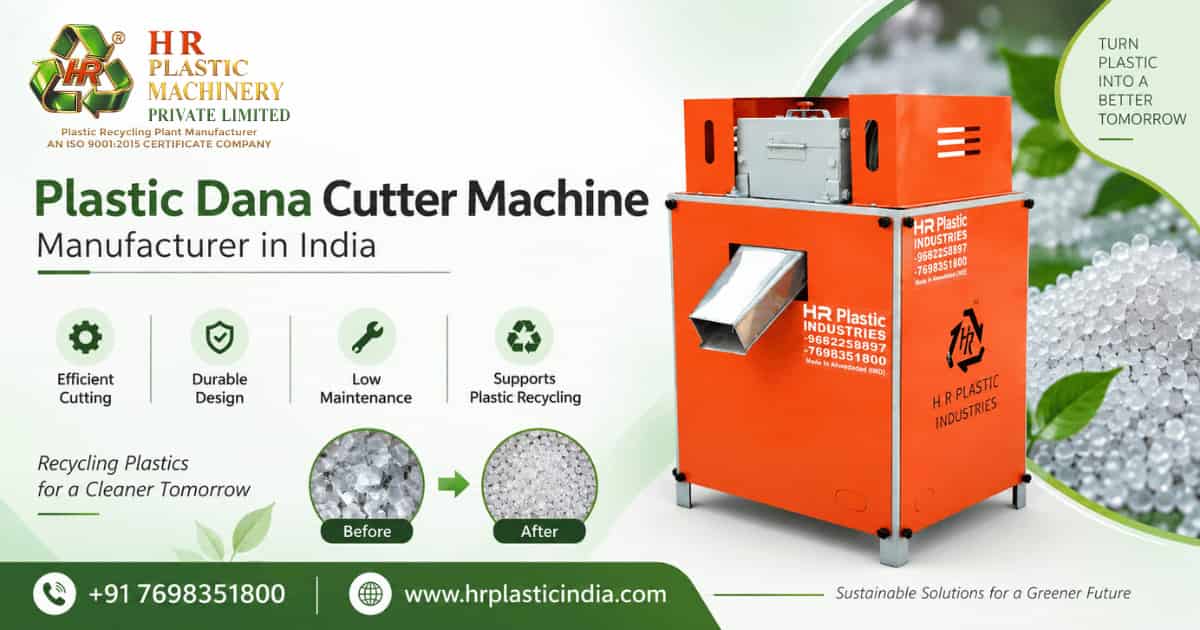
Agglomerator Machine
Used to densify lightweight plastic films before they enter the extrusion stage.
-
Die Face Cutter
Ensures precise cutting of molten plastic strands into uniform pellets, improving output consistency.
Step-by-Step
Working Process of a Plastic Recycling Machine
The plastic recycling process follows a structured flow to ensure efficient material transformation and consistent output quality:
- Collection and sorting of plastic waste based on type
- Shredding of plastic into smaller particles
- Washing to remove contaminants such as dust, oil, and impurities
- Drying of cleaned material to eliminate moisture
- Melting of plastic using controlled heating systems
- Extrusion and pelletizing into uniform granules
This systematic process ensures that the recycled material meets industrial standards and can be reused effectively in manufacturing.
Industry Use
Applications of Plastic Recycling Machines
Plastic recycling machinery is widely used across various industries due to its versatility and environmental benefits.
- Packaging industry for producing recycled films and containers
- Agriculture sector for manufacturing pipes and irrigation products
- Automotive industry for plastic components
- Construction industry for recycled plastic materials
- Consumer goods manufacturing for reusable plastic products
Why Invest
Benefits of Investing in Plastic Recycling Machines
Businesses investing in recycling machinery benefit from both operational efficiency and environmental responsibility.
- Reduces dependency on virgin plastic materials
- Lowers production costs through material reuse
- Supports compliance with environmental regulations
- Enhances sustainability and corporate responsibility
- Improves overall waste management efficiency
Buyer's Guide
Choosing the Right Plastic Recycling Machine
Selecting the right machine requires careful evaluation of operational needs and long-term business goals. Factors such as material type, production volume, available space, and energy consumption should be considered before making a decision.
A well-selected machine ensures consistent output quality, minimizes maintenance issues, and enhances productivity. It is also important to assess after-sales support, availability of spare parts, and technical assistance to ensure uninterrupted operations.
Market Insight
Demand for Plastic Recycling Machines in India
India is witnessing steady growth in recycling infrastructure due to increasing environmental awareness and stricter regulatory policies. Industries are actively adopting recycling technologies to reduce waste and optimize resource utilization.
Urban and industrial regions are generating significant volumes of plastic waste, creating strong demand for efficient recycling solutions. This trend is expected to continue as businesses focus on sustainable production practices and circular economy models.
Operational Excellence
Maintenance and Operational Efficiency
Regular maintenance is essential to ensure the longevity and performance of plastic recycling machines. Proper lubrication, timely replacement of worn components, and routine inspection of heating and cutting systems help maintain efficiency.
Efficient operation also depends on trained personnel who understand machine functionality and can manage process parameters effectively. Continuous monitoring of temperature, pressure, and output quality helps maintain smooth and reliable production cycles.
Looking Ahead
Future of Plastic Recycling Industry in India
The future of plastic recycling in India is driven by innovation, advanced technology, and sustainability goals. Modern machinery with improved energy efficiency and automation capabilities is becoming increasingly important.
Industries are focusing on reducing their carbon footprint and improving recycling rates, further strengthening the demand for high-performance recycling equipment. As awareness continues to grow, plastic recycling machines will play a key role in transforming waste into valuable industrial resources.
FAQs
Frequently Asked Questions
What factors influence plastic recycling machine price in India?
The price depends on machine type, production capacity, automation level, material compatibility, and build quality. Each factor directly affects system efficiency and performance.
Which industries use plastic recycling machines?
These machines are widely used in packaging, agriculture, automotive, construction, and consumer goods industries where recycled plastic materials are required.
What is the output of a plastic recycling machine?
The primary output is plastic granules or pellets that can be reused as raw material in various manufacturing processes.
Is automation important in recycling machines?
Automation improves consistency, reduces manual effort, and enhances overall production efficiency, making it an important feature in modern recycling systems.
How does recycling help industries?
Recycling helps reduce waste, lower raw material costs, and support compliance with environmental regulations while promoting sustainable production practices.
What should be considered before buying a recycling machine?
Businesses should evaluate production needs, material type, machine capacity, energy consumption, and after-sales support before selecting a suitable machine.
Contact Us
Get in Touch
Office & Company Address
3, Abhishree Industrial Park, B/h. G.V.M.M., Near Odhav Circle, Ahmedabad‑382415 35, Shivalik Industrial Park, Nr. Amba Hotel, Chowkadi, Near Kuha Gam, Ahmedabad to Indor Highway, Ahmedabad‑382433Phone
+91 7698351800Recent Posts