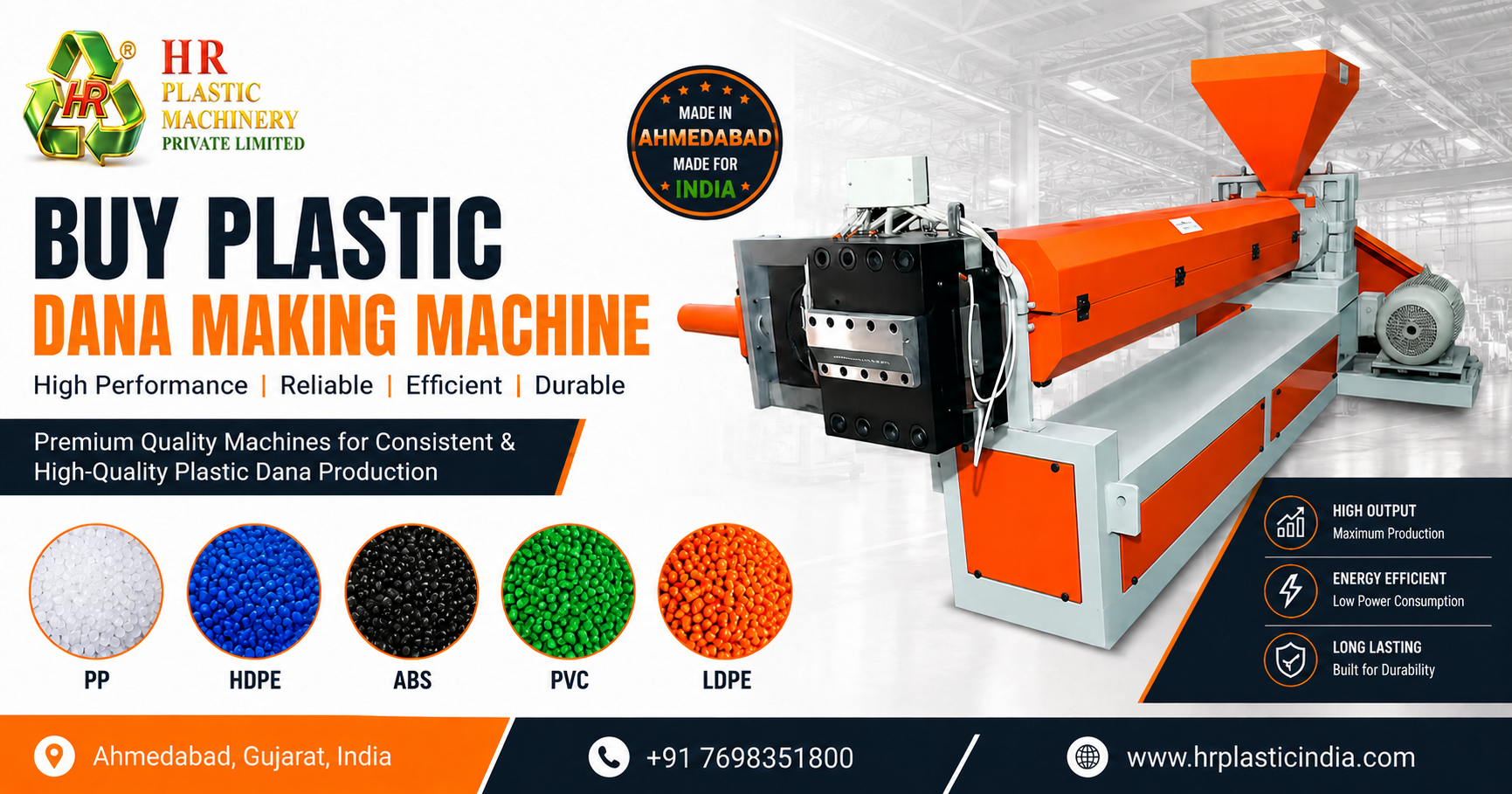
Buy Plastic Dana Making Machine
Find and buy high-quality Plastic Dana Making Machines in Ahmedabad. HR Plastic Machinery offers reliable, efficient solutions for your manufacturing needs.
Why This Matters in Ahmedabad
Ahmedabad, a major industrial hub in Gujarat, boasts a vibrant plastics manufacturing sector. The demand for plastic products, from packaging and consumer goods to automotive parts and construction materials, is consistently high. This drives a significant need for efficient plastic processing equipment, including reliable Plastic Dana Making Machines. Local industries rely on these machines to convert various plastic inputs, including recycled materials, into valuable granules. Investing in the right machinery here means supporting a circular economy and meeting the growing market demands efficiently.
What is a Plastic Dana Making Machine — Overview
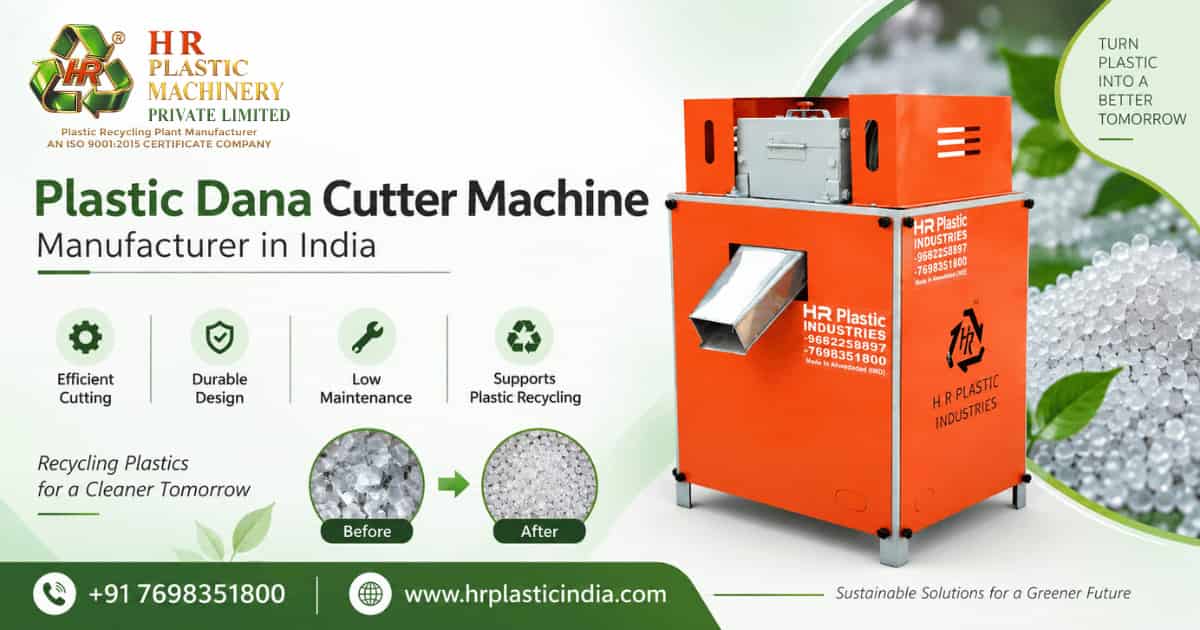
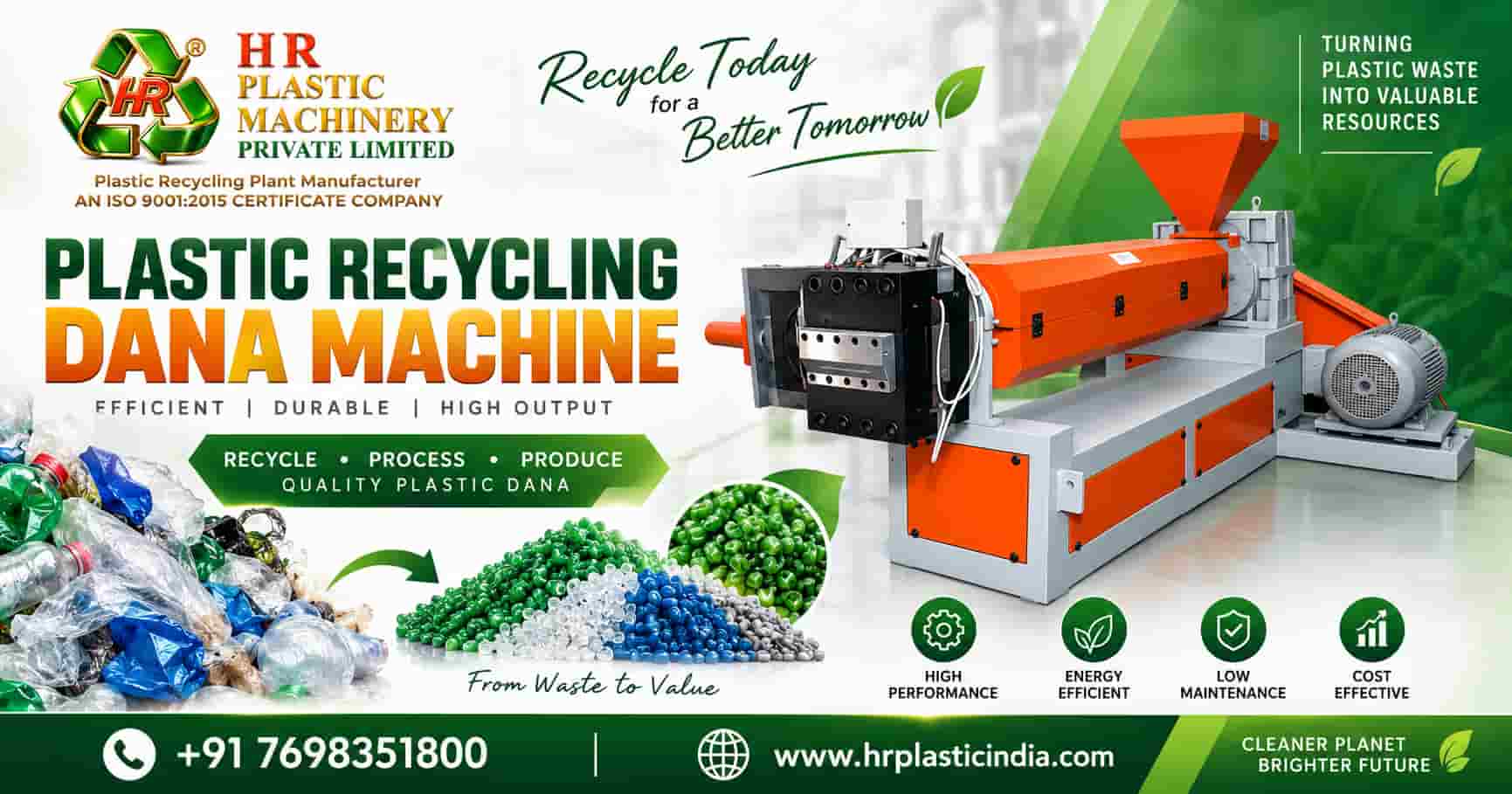
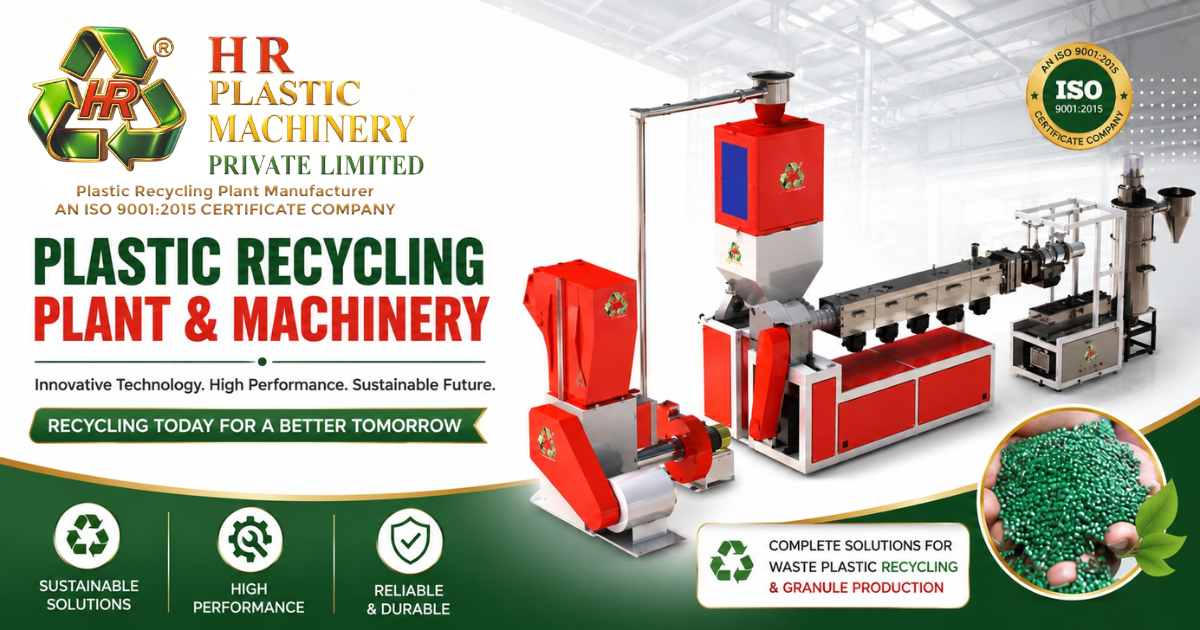
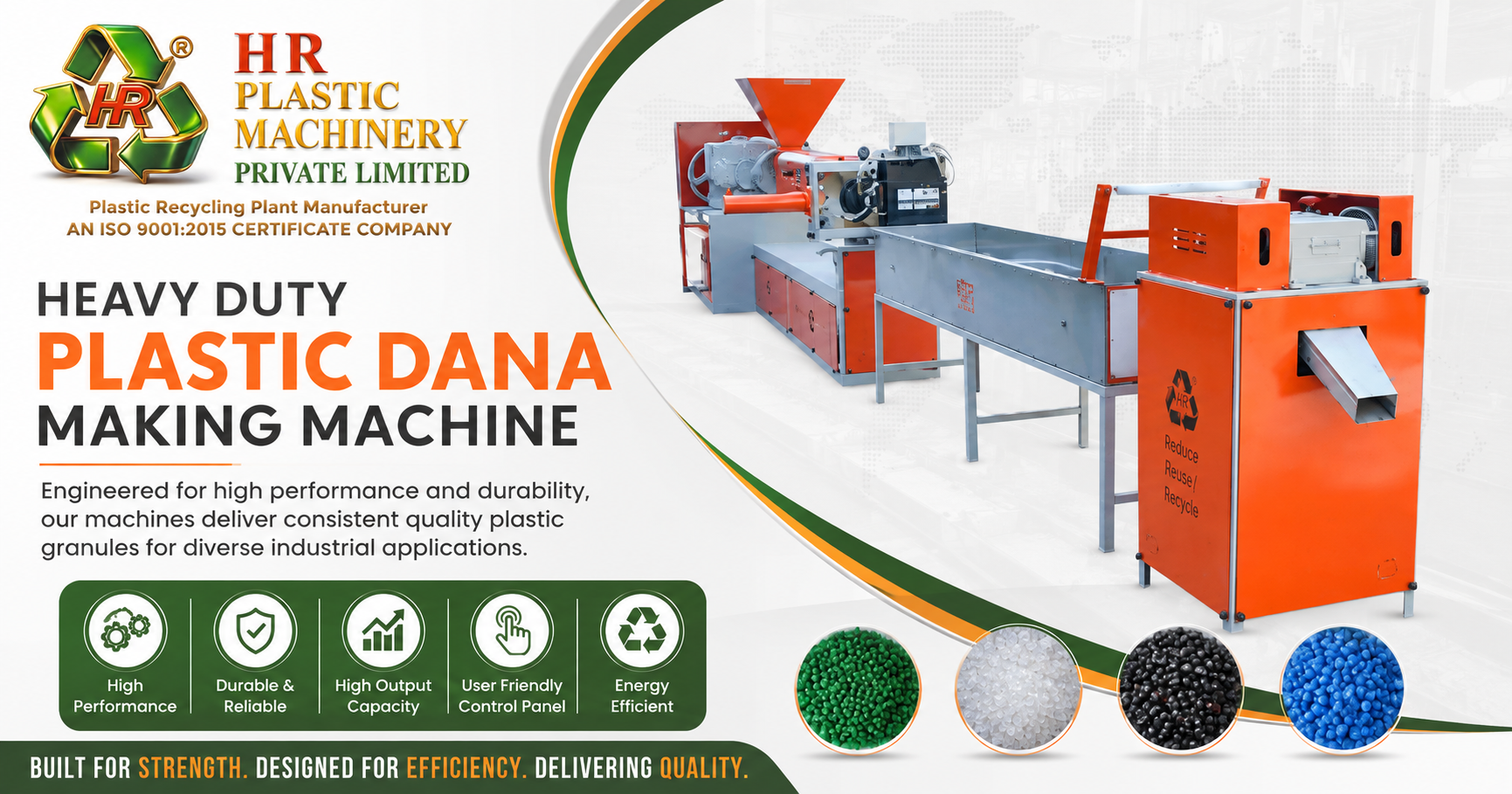
A Plastic Dana Making Machine, also known as a plastic pelletizer or granulator, is a piece of industrial equipment designed to process plastic materials. It typically involves melting plastic pellets or flakes, extruding them through a die with multiple small holes, and then cutting the molten strands into small, uniform pellets or "dana." These dana are the fundamental building blocks for creating a vast array of plastic products. The process ensures consistent size and shape, which is crucial for subsequent molding or extrusion operations.
Key Features and Technical Specifications
When evaluating Plastic Dana Making Machines, several technical specifications and features are paramount for optimal performance and longevity:
- Screw Diameter and L/D Ratio: Determines the machine's processing capacity and efficiency in melting and homogenizing plastic.
- Barrel Heating Zones: Multiple independent heating zones allow for precise temperature control throughout the extrusion process, crucial for different plastic types.
- Die Plate Design: The number and size of holes in the die plate dictate the size and shape of the final dana.
- Cutting Mechanism: Options include water-ring pelletizers, strand cutters, or die-face cutters, each offering different benefits for surface finish and efficiency.
- Motor Power: The horsepower of the main drive motor influences the machine's throughput and ability to handle tougher materials.
- Material Compatibility: Specifies the types of plastics (e.g., PP, PE, PVC, PET, ABS) the machine can effectively process.
- Cooling System: Efficient cooling of the extruded strands is vital for forming solid, uniform pellets.
- Control System: User-friendly interfaces, often with PLC control, allow for easy operation, monitoring, and adjustment of process parameters.
Industrial Applications and Use Cases
Plastic Dana Making Machines are indispensable across numerous industrial sectors, facilitating the production of a wide range of plastic goods:
- Recycling Plants: Essential for converting post-consumer and post-industrial plastic waste into usable granules for new products.
- Masterbatch Production: Used to create concentrated color or additive pellets that are then mixed with virgin plastic during manufacturing.
- Compounding Facilities: Processes raw polymers with additives, fillers, or reinforcements to create specialized plastic compounds.
- Film and Sheet Manufacturing: Produces dana from scrap generated during film blowing or sheet extrusion processes.
- Injection Molding Operations: Creates custom-colored or modified granules for specific injection-molded parts.
- Pipe and Profile Extrusion: Processes scrap from pipe or profile extrusion lines for reuse.
- Textile and Fiber Production: Granulates plastic waste for conversion into synthetic fibers.
- Automotive Component Manufacturing: Produces specialized granules for dashboards, bumpers, and interior parts.
How to Choose the Right Plastic Dana Making Machine
Selecting the appropriate Plastic Dana Making Machine requires careful consideration of your operational needs and future growth plans. Here’s a checklist to guide your decision:
- Production Capacity: Determine the volume of dana you need to produce daily or hourly. Match this with the machine's rated throughput.
- Material Type and Condition: Will you be processing virgin resins, post-consumer waste, or post-industrial scrap? Consider the machine's ability to handle different polymer types and contamination levels.
- Desired Dana Size and Shape: Confirm the machine can produce pellets of the exact dimensions required for your downstream processes.
- Pelletizing Technology: Evaluate whether a water-ring, strand, or die-face cutter system best suits your material and desired finish.
- Energy Efficiency: Look for machines designed for lower power consumption to reduce operational costs.
- Automation and Control: Consider the level of automation needed for ease of operation and process consistency.
- Supplier Reputation and Support: Research the manufacturer's track record, customer reviews, and the availability of after-sales service and spare parts.
- Customization Options: If you have unique processing requirements, inquire about the manufacturer's ability to customize the machine.
Quality Standards and Compliance
For any industrial machinery, adherence to quality standards and compliance with relevant regulations is non-negotiable. Reputable Plastic Dana Making Machine manufacturers will ensure their equipment meets stringent quality benchmarks. This often includes compliance with ISO certifications for quality management systems, demonstrating a commitment to consistent product quality and operational excellence. Furthermore, electrical components should meet IEC standards for safety and reliability. Buyers should verify that the manufacturer provides necessary documentation and certifications, assuring them that the machine is built to last and operate safely within their facility.
Why HR Plastic Machinery's Experience and Capability Matters
Established in 1987, HR Plastic Machinery Pvt. Ltd. brings decades of hands-on experience to the manufacturing of Plastic Dana Making Machines. Our deep understanding of plastic processing, honed over years of serving diverse industries, allows us to engineer machines that are not only robust but also highly efficient. We pride ourselves on our in-house manufacturing capabilities, ensuring meticulous control over every stage of production, from design and fabrication to assembly and testing. Our team of skilled engineers and technicians possesses the technical expertise to develop innovative solutions and customize machines to meet specific client requirements.
Our commitment to quality is reflected in our rigorous quality control processes, ensuring each machine leaving our facility performs reliably and consistently. We understand that downtime is costly, so we focus on building durable equipment designed for longevity. Furthermore, our extensive experience in nationwide supply means we are adept at managing logistics and ensuring timely delivery. Post-installation, our dedicated after-sales support team is available to provide assistance, ensuring your operations run smoothly.
Installation, Maintenance, and Care Tips
Proper installation, regular maintenance, and careful operation are key to maximizing the lifespan and performance of your Plastic Dana Making Machine.
- Installation: Ensure the machine is installed on a stable, level foundation. Proper electrical connections, grounding, and safety guards must be in place before operation. Follow the manufacturer's installation manual meticulously.
- Daily Checks: Before starting production, visually inspect the machine for any loose parts, leaks, or unusual wear. Check lubricant levels.
- Regular Lubrication: Follow the recommended lubrication schedule for all moving parts, including bearings, gears, and drive components, to prevent premature wear.
- Screen Changer Maintenance: If your machine features a screen changer, ensure it is cleaned or replaced regularly to maintain optimal melt filtration and prevent pressure buildup.
- Die Plate Cleaning: Periodically remove and clean the die plate to prevent material buildup that can affect pellet quality and flow.
- Barrel and Screw Inspection: For extended use, the screw and barrel may require inspection for wear. Address any signs of wear promptly to maintain extrusion efficiency.
- Temperature Monitoring: Consistently monitor barrel and die temperatures. Deviations can indicate issues with heating elements or thermocouples, affecting plastic quality.
- Emergency Stop Functionality: Regularly test the emergency stop buttons to ensure they are functioning correctly for operator safety.
Frequently Asked Questions
A Plastic Dana Making Machine can typically process a wide range of thermoplastic polymers, including Polypropylene (PP), Polyethylene (PE) (HDPE, LDPE, LLDPE), Polyvinyl Chloride (PVC), Acrylonitrile Butadiene Styrene (ABS), Polystyrene (PS), and Polyethylene Terephthalate (PET), among others. The specific capabilities depend on the machine's design and configuration.
A strand pelletizer cuts extruded plastic strands into pellets after they have been cooled in a water bath. A die-face pelletizer, often integrated with a melt pump and die, cuts the molten plastic directly as it exits the die, typically underwater, for a more uniform pellet shape and surface finish.
The Length-to-Diameter (L/D) ratio of the screw is critical as it determines the residence time of the plastic in the barrel. A higher L/D ratio generally allows for better melting, mixing, and homogenization of the plastic material, leading to more consistent output quality, especially for challenging polymers or recycled materials.
While some advanced machines are designed to handle a certain level of contamination, heavily contaminated plastic waste often requires pre-treatment, such as washing and drying, before being fed into the Dana Making Machine. The machine's ability to handle contamination depends on its specific design, including filtration and screw configuration.
Regular maintenance includes daily visual inspections, proper lubrication of moving parts, cleaning of the die plate and screen changer, and periodic checks of the screw and barrel for wear. Following the manufacturer's recommended maintenance schedule is crucial for optimal performance and longevity.
The pelletizer type influences the shape, size, and surface finish of the final dana. Water-ring pelletizers can produce spherical pellets, while strand cutters produce cylindrical ones. Die-face pelletizers, especially underwater types, often yield more uniform, rounded pellets with a smoother surface, which can be advantageous for certain downstream applications.
Conclusion
For manufacturers in Ahmedabad and beyond seeking to enhance their plastic granule production, investing in a high-quality Plastic Dana Making Machine is a strategic decision. The right equipment ensures consistent product quality, maximizes material utilization, and contributes to overall operational efficiency. By carefully considering key features, understanding industrial applications, and prioritizing reliable manufacturers with proven experience like HR Plastic Machinery Pvt. Ltd., you can select a machine that meets your current needs and supports your future growth. A commitment to proper maintenance and operational best practices will further ensure your investment delivers value for years to come.
Get In Touch
Hr Plastic Machinery Pvt. Ltd.