H.R. PLASTIC MACHINERY PVT. LTD.
Grinder Machine in Gujarat
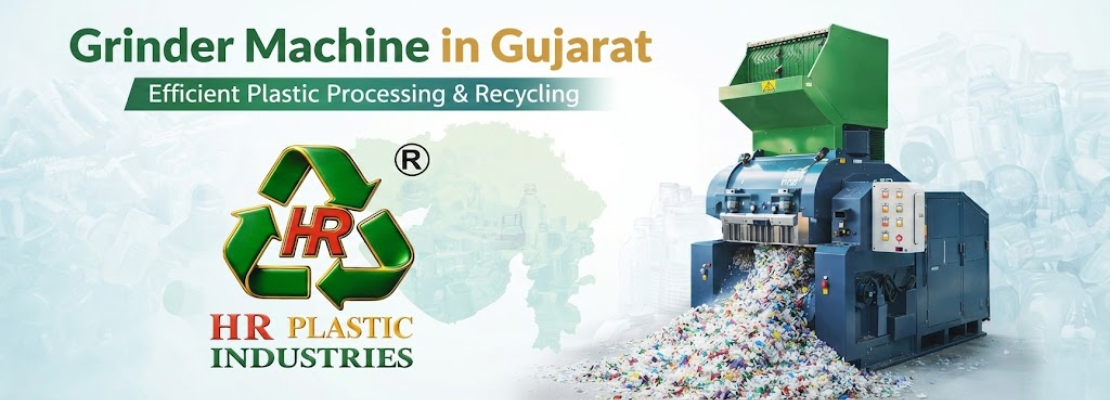
Grinder Machine in Gujarat
Grinder Machine in Gujarat | HR Plastic Industries
HR Plastic Industries · Gujarat
Grinder Machine in Gujarat
Plastic processing and recycling industries rely on efficient size reduction equipment to convert plastic waste into reusable raw material.
A grinder machine in Gujarat plays an important role in plastic recycling operations by breaking down rejected plastic products, production scrap, and leftover plastic materials into smaller particles suitable for further processing.
Plastic manufacturing facilities, recycling plants, and waste management units across Gujarat commonly use grinder machines as the first stage of recycling systems. These machines enable industries to reuse plastic materials in extrusion, granule manufacturing, and recycling processes, improving overall production efficiency and reducing raw material waste.
Gujarat has developed into one of the leading industrial regions in India for plastic manufacturing and recycling activities. Industrial zones across the state host numerous plastic processing plants that rely on grinder machines to manage scrap materials generated during production operations.
Understanding Grinder Machines in Plastic Processing
A grinder machine is an industrial device designed to reduce plastic materials into smaller particles through mechanical cutting and abrasion. The machine typically consists of a powerful motor that drives rotating blades or cutters within a grinding chamber.
When plastic scrap enters the grinding chamber, the rotating blades interact with stationary blades to shear and break the material into smaller pieces. The processed plastic then passes through a screen that regulates the size of the final particles. This grinding process allows plastic materials to be reused efficiently in extrusion and granulation systems.
Industrial grinder machines are constructed using heavy-duty components to support continuous operation in plastic processing environments. These machines can grind a wide range of plastic materials including HDPE, LDPE, PET, PVC, PP, and other thermoplastic products commonly used in manufacturing industries.
Role of Grinder Machines in Modern Plastic Recycling Operations
Plastic recycling requires several stages of processing before waste material can be converted into reusable plastic granules. Grinder machines serve as a critical first stage in this recycling chain.
In many plastic processing facilities, production scrap such as defective molded products, rejected plastic parts, or leftover plastic sheets must first be reduced into smaller pieces before entering recycling systems. Grinder machines perform this function by transforming bulky plastic items into manageable flakes or granules.
The use of grinder machines helps recycling plants maintain a consistent material flow while supplying uniform feedstock to recycling equipment. By reducing material size efficiently, grinder machines improve the performance of downstream machines such as extruders, agglomerators, and pelletizers.
Why Industries in Gujarat Use Grinder Machines
Gujarat is home to a large network of plastic manufacturing and recycling industries. Industrial areas such as Ahmedabad, Vadodara, Surat, Rajkot, and Vapi host numerous plastic processing units that produce packaging materials, industrial components, consumer goods, and engineering plastics.
These industries generate significant quantities of plastic scrap during manufacturing operations. Grinder machines help manage this waste effectively by converting scrap material into reusable raw material.
Many businesses across Gujarat invest in grinder machines to support sustainable production practices. Recycling plastic waste within the facility reduces dependence on virgin raw materials and helps industries maintain efficient and responsible manufacturing operations.
Industrial Applications of Grinder Machines
Grinder machines are widely used in various plastic processing and recycling operations. Their ability to reduce plastic materials into smaller particles makes them suitable for multiple industrial applications.
Common applications include:
- Plastic recycling plants processing post-industrial scrap
- Plastic granules manufacturing units
- Packaging material manufacturing industries
- Plastic bottle recycling facilities
- Injection molding production units
- Plastic extrusion plants
- Waste plastic management operations
These machines can process different plastic products such as bottles, containers, pipes, film waste, molded parts, and plastic sheets.
How a Plastic Grinder Machine Works
The working mechanism of a grinder machine is based on mechanical cutting and abrasion. Plastic materials are fed into the grinding chamber where rotating blades break the material into smaller particles.
The general working process includes:
- Plastic scrap is loaded into the hopper of the grinder machine
- Rotating blades inside the grinding chamber cut and break the material
- Fixed blades support the shearing action for efficient size reduction
- A screen regulates the output particle size
- Ground plastic particles are discharged for further recycling
This grinding process ensures that plastic waste is converted into a form suitable for reuse in recycling and extrusion machinery.
Key Functional Advantages of Grinder Machines
Grinder machines provide several operational advantages for plastic recycling and manufacturing industries.
- Efficient size reduction of plastic scrap
- Improved material recycling efficiency
- Continuous processing capability for industrial operations
- Reduced manual handling of plastic waste
- Consistent particle size for recycling systems
- Support for sustainable plastic waste management
These advantages make grinder machines an essential component of modern plastic processing infrastructure.
Technical Configuration of Industrial Grinder Machines
Industrial grinder machines are designed with robust components to withstand demanding operational environments. Their structure and internal mechanisms are built to support continuous grinding operations in plastic processing plants.
Typical machines include features such as high-capacity motors, durable steel body construction, multiple blade configurations, and adjustable grinding systems. Blade arrangements generally consist of rotating blades supported by stationary blades that create a shearing effect within the grinding chamber.
Machine configurations vary depending on capacity requirements and application types. Larger machines are capable of handling high volumes of plastic scrap generated during industrial manufacturing processes.
Important Factors to Consider Before Selecting a Grinder Machine
Selecting the right grinder machine depends on several operational factors related to plastic processing requirements. Businesses must evaluate machine specifications and operational capacity before installation.
Important considerations include:
- Type of plastic materials to be processed
- Required output capacity and grinding speed
- Blade configuration and material strength
- Motor power and machine durability
- Maintenance requirements and operational safety
- Compatibility with existing recycling equipment
Careful evaluation of these factors helps ensure efficient performance and long-term reliability in plastic recycling operations.
Industrial Demand for Grinder Machines in Gujarat
The growing focus on plastic recycling and sustainable manufacturing has increased the demand for grinder machines across Gujarat. Industries are increasingly adopting recycling systems to manage plastic waste generated during production.
Plastic processing clusters across the state rely on grinder machines as a key component of recycling infrastructure. These machines help industries maintain effective material recovery systems while supporting circular manufacturing practices.
With increasing emphasis on environmental responsibility and resource optimization, the role of grinder machines in plastic recycling operations continues to expand.
Conclusion
Grinder machines play an essential role in modern plastic recycling and processing industries. By reducing plastic scrap into reusable material, these machines support efficient recycling operations and sustainable manufacturing practices.
Industries across Gujarat rely on grinder machines to manage plastic waste generated during production activities. Their ability to process various plastic materials and deliver consistent size reduction makes them a critical component of plastic recycling systems.
As recycling technologies continue to advance, grinder machines will remain a fundamental part of industrial plastic processing operations across Gujarat and other manufacturing regions.
FAQs
Frequently Asked Questions
What is a grinder machine used for in plastic
recycling?
A grinder machine is used to reduce plastic scrap into
smaller particles that can be reused in recycling processes. It converts rejected plastic materials into
feedstock suitable for extrusion and granule manufacturing.
How does a plastic grinder machine work?
A plastic grinder machine operates using rotating blades
that cut plastic materials against stationary blades inside a grinding chamber. The resulting particles pass
through a screen that regulates the final particle size.
What types of plastic materials can be processed using
a grinder machine?
Grinder machines can process various thermoplastic
materials including HDPE, LDPE, PET, PVC, and polypropylene products such as bottles, films, pipes, and molded
components.
Why are grinder machines important in plastic recycling
plants?
Grinder machines prepare plastic scrap for further
recycling processes. By reducing the size of waste plastic materials, they allow efficient feeding of
extruders and other recycling equipment.
What industries use plastic grinder machines?
Plastic grinder machines are widely used in recycling
plants, plastic manufacturing facilities, packaging industries, injection molding units, extrusion plants, and
waste management operations.
How do grinder machines support sustainable
manufacturing?
By enabling the reuse of plastic scrap generated during
production, grinder machines help reduce material waste, lower dependence on virgin plastic, and support
environmentally responsible manufacturing practices.
Relevant Tags
grinder machine in gujarat
plastic grinder machine gujarat
plastic scrap grinder machine
plastic grinding machine india
industrial plastic grinder
machine
plastic recycling grinder
machine
plastic scrap grinding machine
plastic recycling machinery
plastic processing machinery
gujarat
plastic recycling plant
machinery
plastic waste recycling
equipment
plastic scrap granulator
heavy duty plastic grinder
machine
plastic grinding equipment
industrial plastic recycling
machines
Recent Posts