H.R. PLASTIC MACHINERY PVT. LTD.
Hydraulic Screen Changer in Ahmedabad
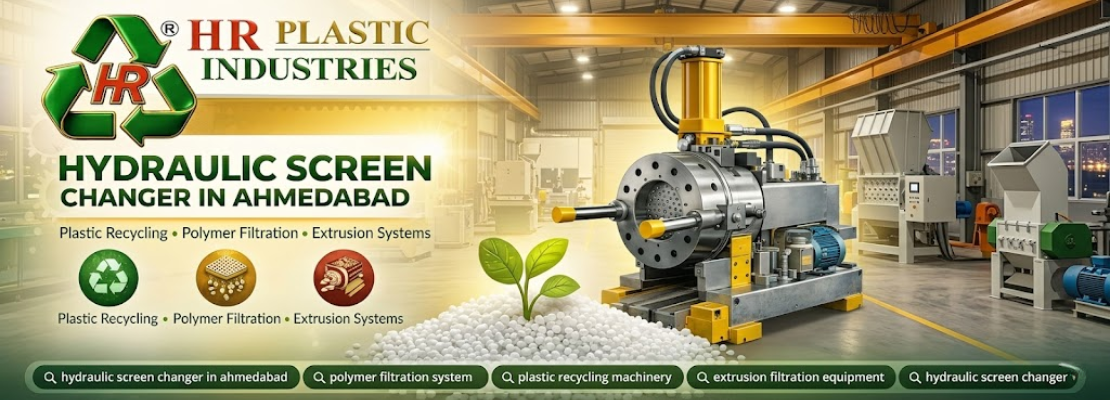
Hydraulic Screen Changer in Ahmedabad
Hydraulic Screen Changer in Ahmedabad | HR Plastic Industries
Ahmedabad · Gujarat · India
Hydraulic Screen Changer
Hydraulic Screen Changer
in Ahmedabad
In modern plastic processing and recycling operations, maintaining material purity and production efficiency is essential. A hydraulic screen changer in Ahmedabad plays a critical role in achieving these objectives by enabling continuous filtration of molten polymers during extrusion.
Overview
Hydraulic Screen Changer in Ahmedabad
Industries involved in plastic recycling, granule production, and extrusion rely on this equipment to ensure consistent output quality without interrupting operations.
Ahmedabad, one of India's major industrial hubs for plastic processing machinery, has seen a steady rise in demand for advanced filtration systems. Manufacturers are increasingly adopting hydraulic screen changers to improve productivity, reduce waste, and maintain product consistency. This equipment becomes especially important in applications where contamination removal directly affects the final product quality.
Fundamentals
Understanding the Role of a Hydraulic Screen Changer
A hydraulic screen changer is designed to filter impurities such as dust, metal particles, and degraded material from molten plastic during the extrusion process. It operates through a hydraulic mechanism that allows screen replacement without stopping the production line.
Unlike manual systems, hydraulic screen changers enable smooth and continuous transitions between screens, ensuring uninterrupted material flow. This significantly improves operational efficiency while minimizing production losses.
The system is typically integrated into extrusion lines used for manufacturing plastic granules, films, pipes, and other polymer-based products. By maintaining consistent filtration, it supports stable pressure and flow conditions, which are essential for achieving high-quality output.
Efficiency
How Hydraulic Screen Changers Improve Production Efficiency
One of the major advantages of using a hydraulic screen changer in plastic processing is its ability to enhance overall production efficiency. Continuous filtration eliminates the need for frequent shutdowns, allowing manufacturers to maintain steady output levels.
In high-volume production environments, even minor interruptions can result in considerable losses. Hydraulic screen changers address this challenge by enabling quick and automated screen replacement, ensuring that production lines continue to operate smoothly under demanding conditions.
Additionally, the system helps maintain uniform pressure throughout the extrusion process. This consistency improves product quality, reduces defects, and supports stable manufacturing performance.
Technical Specs
Technical Capabilities and Performance Range
Hydraulic screen changers are available in various configurations to suit different production requirements. Their performance depends on factors such as output capacity, heating efficiency, and hydraulic power.
Key technical capabilities include:
- Output capacity suitable for both small-scale operations and large industrial production
- Compatibility with multiple screen sizes for different filtration levels
- Cartridge heater systems for maintaining optimal processing temperature
- Hydraulic power pack integration for smooth and reliable operation
These systems are capable of handling a wide range of materials, including polyethylene, polypropylene, and other thermoplastics. Their flexibility makes them suitable for both recycling plants and extrusion units.
Applications
Applications Across Plastic Processing Industries
Hydraulic screen changers are widely used across multiple segments of the plastic industry. Their ability to ensure clean and consistent material flow makes them essential in various applications.
Common use cases include:
- Plastic recycling plants converting waste into reusable granules
- Extrusion lines for films, sheets, and pipes
- Dana making machines used for plastic pellet production
- Blown film plants and monofilament production units
- Industrial plastic processing and compounding operations
These applications highlight the importance of effective filtration systems in maintaining product standards and operational efficiency.
Local Market
Importance of Hydraulic Screen Changers in Ahmedabad's Industrial Landscape
Ahmedabad has established itself as a key center for plastic processing and recycling machinery. The demand for hydraulic screen changers in Ahmedabad is driven by the region's strong industrial infrastructure and growing focus on sustainable manufacturing.
With increasing emphasis on recycling and waste management, industries are adopting advanced machinery to improve efficiency and reduce environmental impact. Hydraulic screen changers support this shift by ensuring cleaner output and minimizing material wastage.
Local manufacturers also benefit from access to quality machinery, technical expertise, and a skilled workforce, which further encourages the adoption of advanced filtration systems across industries.
Buying Guide
Key Factors to Consider When Selecting a Hydraulic Screen Changer
Selecting the right hydraulic screen changer requires careful evaluation of several factors. The choice should align with production needs, material type, and operational conditions.
Important considerations include:
- Output capacity and compatibility with existing extrusion systems
- Type of polymer being processed
- Heating system efficiency and temperature control
- Reliability of the hydraulic system and maintenance requirements
- Ease of operation and integration into existing production lines
Focusing on these aspects helps ensure optimal performance and long-term reliability.
Benefits
Advantages of Using Hydraulic Screen Changers in Plastic Processing
Hydraulic screen changers offer several operational benefits that make them a preferred choice in modern manufacturing environments.
Key advantages include:
- Continuous production without interruption
- Improved product quality through effective filtration
- Reduced downtime and lower maintenance frequency
- Enhanced process stability and pressure control
- Reduced material wastage and improved efficiency
These advantages contribute directly to higher productivity and better resource utilization.
Integration
Integration with Plastic Recycling and Extrusion Systems
Hydraulic screen changers are commonly integrated with various plastic processing systems, including extrusion units, recycling plants, and pelletizing machines. Their compatibility ensures seamless performance across the production line.
In recycling operations, they play a crucial role in removing contaminants from plastic waste before it is converted into granules. This helps ensure that the final material meets required quality standards for reuse.
In extrusion processes, they maintain consistent material flow, which is essential for producing uniform products such as pipes, films, and sheets.
Maintenance
Maintenance and Operational Considerations
Proper maintenance is essential to ensure the long-term performance of hydraulic screen changers. Regular inspection of hydraulic components, heating elements, and filtration screens helps prevent unexpected downtime.
Operators should monitor pressure levels and temperature settings to maintain optimal processing conditions. Routine cleaning and timely screen replacement are also important to ensure consistent filtration performance.
Following structured maintenance practices helps extend equipment lifespan and ensures stable production output.
Industry Trends
Future Demand and Industry Trends
The demand for hydraulic screen changers in Ahmedabad and across India is expected to grow alongside the expansion of the plastic recycling industry. Increasing environmental regulations and the need for sustainable manufacturing are driving the adoption of efficient filtration systems.
Technological advancements are further improving automation, control, and energy efficiency in hydraulic screen changers. Modern systems are designed to deliver better performance while reducing operational costs.
As industries continue to focus on quality, efficiency, and sustainability, hydraulic screen changers will remain a key component in plastic processing operations.
Conclusion
Conclusion
A hydraulic screen changer in Ahmedabad is an essential component in modern plastic processing and recycling operations. Its ability to ensure continuous filtration, improve product quality, and enhance production efficiency makes it a valuable asset for industries seeking reliable and consistent performance. With the growing focus on sustainable manufacturing and efficient systems, hydraulic screen changers continue to play a vital role in the evolution of plastic processing.
FAQs
Frequently Asked Questions
What is a hydraulic screen changer used for?
A hydraulic screen changer is used in extrusion processes to remove contaminants from molten plastic. It enables continuous filtration and helps maintain product quality without interrupting production.
How does a hydraulic screen changer improve efficiency?
It allows screen replacement without stopping the machine, ensuring continuous operation. This reduces downtime and maintains consistent production output.
Where are hydraulic screen changers commonly used?
They are used in plastic recycling plants, extrusion lines, dana making machines, and film production units where material purity is critical.
What materials can be processed using this system?
Hydraulic screen changers are suitable for various thermoplastics such as polyethylene, polypropylene, and other commonly used polymer materials.
Why is Ahmedabad a key location for this machinery?
Ahmedabad is a major hub for plastic processing and recycling industries, making it a significant market for advanced equipment like hydraulic screen changers.
What factors should be considered before purchasing one?
Key factors include output capacity, system compatibility, material type, heating efficiency, and maintenance requirements.
Recent Posts