plastic cleaning machine exporter from india
Leading plastic cleaning machine exporter in Ahmedabad. Discover efficient solutions for plastic scrap and granules. Contact HR Plastic Machinery today.
What is a Plastic Cleaning Machine? An Overview
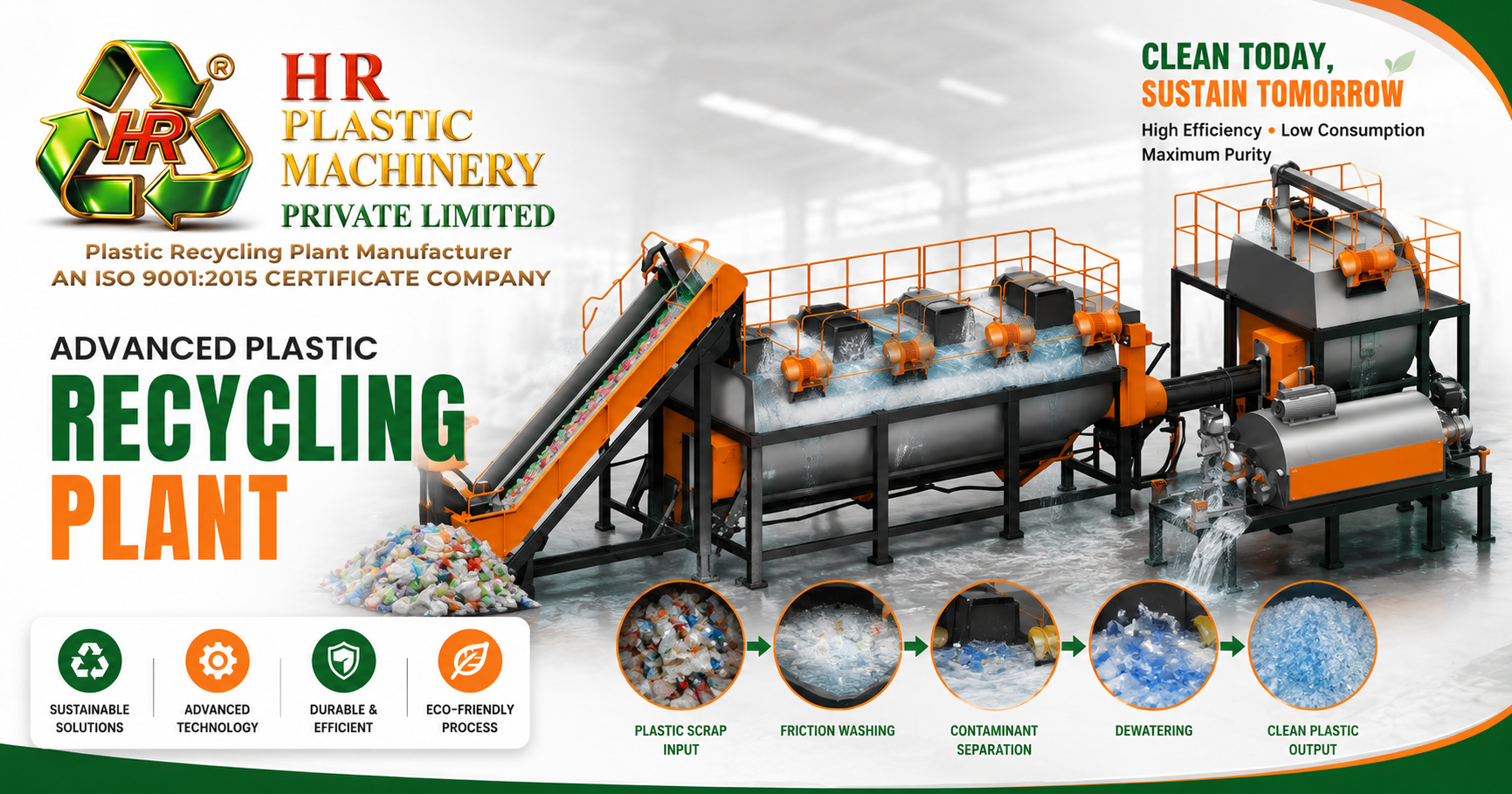
A plastic cleaning machine is specialized industrial equipment designed to remove contaminants from plastic waste or raw materials. These contaminants can include dirt, dust, labels, adhesives, residual chemicals, and other foreign particles. The primary goal is to purify the plastic material, preparing it for further processing such as grinding, melting, or pelletizing. Different types of cleaning machines employ various methods, including friction washing, float-sink separation, and hot washing, often in combination. By thoroughly cleaning the plastic, these machines ensure that the final recycled granules or products are of higher quality, free from impurities that could compromise their structural integrity or aesthetic appeal.
Key Features and Technical Specifications
When evaluating plastic cleaning machinery, several key features and technical specifications are critical for optimal performance and suitability to your specific needs:
- Washing Mechanism: Options include friction washing, hot water washing, or float-sink separation, each suited for different types of contaminants and plastic materials.
- Material Compatibility: Specifies the types of plastics the machine can effectively clean (e.g., PP, HDPE, LDPE, PVC, PET).
- Capacity/Throughput: Indicates the volume of material the machine can process per hour, crucial for matching production demands.
- Water and Energy Efficiency: Features designed to minimize resource consumption, leading to lower operational costs.
- Contaminant Removal Efficiency: The percentage of impurities the machine can effectively remove from the plastic feedstock.
- Dewatering System: Integrated mechanisms to remove excess water after washing, reducing drying time.
- Robust Construction: Use of durable materials like stainless steel for components in contact with water and chemicals to prevent corrosion and ensure longevity.
- Automation Level: Degree of manual intervention required, ranging from semi-automatic to fully automatic systems.
Industrial Applications and Use Cases
Plastic cleaning machines are indispensable across various segments of the plastic processing and recycling industry. Their applications are broad and vital for producing high-quality recycled materials:
- Plastic Scrap Recycling: Essential for cleaning post-consumer and post-industrial plastic scrap before it's ground into flakes or granules.
- PET Bottle Recycling: Removing labels, caps, and residue from PET bottles to produce clean flakes for new packaging or fibers.
- Film Recycling: Cleaning agricultural films, packaging films, and poly bags contaminated with soil, sand, and organic matter.
- Rigid Plastic Recycling: Purifying HDPE containers, PVC pipes, and other rigid plastic waste for remanufacturing.
- Granule Production: Ensuring that virgin or recycled plastic granules are free from dust and foreign particles for consistent extrusion or molding.
- Pre-treatment for Compounding: Preparing plastic materials for compounding with additives, where purity is critical for uniform dispersion.
- Textile Fiber Production: Cleaning plastic waste to produce recycled polyester or other fibers for the textile industry.
- Automotive Part Manufacturing: Cleaning recycled plastics used in non-critical automotive components where material integrity is important.
How to Choose the Right Plastic Cleaning Machine
Selecting the appropriate plastic cleaning machine requires careful consideration of your specific operational needs and the types of materials you process. Here’s a checklist to guide your decision:
- Material Type: Identify the primary plastics you will be cleaning (e.g., films, rigid containers, bottles). Different machines are optimized for different plastic forms and densities.
- Contaminant Profile: Assess the nature and severity of contaminants. Are you dealing with light dust, heavy soil, labels, or chemical residues? This will dictate the required washing technology.
- Required Output Quality: Determine the purity level needed for your downstream processes or for selling recycled material. Higher purity often requires more advanced cleaning systems.
- Production Volume: Estimate your daily or hourly processing needs. Machine capacity must align with your throughput requirements to avoid bottlenecks.
- Space and Infrastructure: Consider the physical footprint of the machine and its requirements for water, power, and drainage.
- Budget and Operational Costs: Evaluate not only the initial investment but also ongoing costs related to water, energy, maintenance, and consumables.
- Supplier Support and Service: Look for manufacturers or exporters who offer reliable installation, training, spare parts, and after-sales service.
- Compliance and Certifications: Ensure the machine meets relevant safety and environmental standards applicable in your region.
Quality Standards and Compliance
For any industrial machinery, especially those involved in recycling and material processing, adherence to quality standards and compliance with regulations is non-negotiable. Reputable manufacturers and exporters of plastic cleaning machines ensure their equipment meets stringent benchmarks. This often includes certifications like ISO 9001 for quality management systems, demonstrating a commitment to consistent product quality and customer satisfaction. Furthermore, machines should be designed with safety features that comply with international standards, protecting operators from hazards. For equipment used in recycling, compliance with environmental regulations regarding water usage and discharge is also a critical factor. Buyers should always verify the certifications and compliance documentation provided by the supplier to ensure the machine is safe, reliable, and meets all necessary legal requirements.
Why HR Plastic Machinery's Experience and Capability Matter
Established in 1987, HR Plastic Machinery Pvt. Ltd. brings decades of hands-on experience in manufacturing plastic processing equipment. Our journey, guided by Mr. Hetram Sharma, has been one of continuous growth and refinement, driven by a deep understanding of the plastics industry's evolving needs. We pride ourselves on our robust manufacturing processes, utilizing high-quality materials and precision engineering to build durable and efficient plastic cleaning machines. Our technical team possesses extensive expertise, enabling us to not only produce standard models but also to offer customized solutions tailored to specific client requirements.
Our commitment extends beyond manufacturing; we implement rigorous quality control measures at every stage of production. This ensures that each machine leaving our facility meets our high standards for performance and reliability. We understand the critical role our equipment plays in your recycling operations, and our focus is on delivering machinery that enhances your productivity and output quality. Our extensive experience in supplying machinery across India means we are adept at managing logistics and ensuring timely delivery, backed by comprehensive after-sales support to keep your operations running smoothly.
Installation, Maintenance, and Care Tips
Proper installation, regular maintenance, and diligent care are crucial for maximizing the lifespan and performance of your plastic cleaning machine.
Installation
Ensure the machine is installed on a level, stable surface. Connect all utilities (water, electricity) according to the manufacturer's specifications. Proper grounding is essential for electrical safety.
Routine Maintenance:
- Daily Checks: Inspect for any unusual noises, vibrations, or leaks. Clean external surfaces and ensure all safety guards are in place.
- Weekly Checks: Lubricate moving parts as per the manual. Check and clean filters, screens, and strainers to prevent blockages. Inspect belts for wear and tension.
- Monthly Checks: Examine bearings for wear. Check electrical connections for tightness and corrosion. Inspect the washing tank for sediment buildup.
- Annual Checks: A thorough inspection by a qualified technician is recommended. This may include checking pump performance, motor efficiency, and the overall structural integrity of the machine.
Care Tips
- Water Quality: Use clean water where possible to minimize sediment buildup. If using recycled water, ensure it is adequately filtered.
- Chemical Usage: If your process involves cleaning agents, use only those recommended by the manufacturer and ensure proper dosage.
- Material Handling: Avoid feeding excessively large or foreign objects into the machine, as this can cause damage.
- Downtime: During periods of extended downtime, drain water from the system to prevent freezing or corrosion. Clean the machine thoroughly before storage.
Frequently Asked Questions
Our plastic cleaning machines are designed to handle a wide range of thermoplastic materials, including PP, HDPE, LDPE, PVC, PET, and ABS. The specific model and configuration will determine the optimal performance for each material type, especially concerning density and contaminant adhesion.
The effectiveness varies based on the machine's technology (e.g., friction washing, hot washing, float-sink). Generally, our machines are highly effective at removing common contaminants like dirt, sand, labels, glue, and residual product. For specific or stubborn contaminants, we can recommend the most suitable model or a customized solution.
Throughput capacity varies significantly by model, ranging from smaller units processing a few hundred kilograms per hour to large industrial systems capable of handling several tons per hour. We offer a range of capacities to match the production needs of small recyclers to large-scale operations.
Water consumption is a key consideration in our machine design. Many models incorporate water recycling systems and efficient washing cycles to minimize overall water usage. We can provide detailed specifications for water requirements for each machine.
HR Plastic Machinery Pvt. Ltd. provides comprehensive after-sales support, including installation assistance, operator training, and troubleshooting. We maintain a ready stock of critical spare parts to ensure minimal downtime for our clients across India.
Yes, customization is one of our core strengths. We work closely with clients to understand their unique challenges and specific material requirements, engineering bespoke cleaning solutions that precisely meet their operational needs and efficiency goals.
Conclusion
For plastic processors and recyclers in Ahmedabad and beyond, investing in a high-quality plastic cleaning machine is a strategic decision that directly impacts product quality, operational efficiency, and profitability. By effectively removing contaminants, these machines prepare plastic materials for higher-value applications and contribute to a more sustainable circular economy. HR Plastic Machinery Pvt. Ltd., with its extensive experience and commitment to quality, stands as a reliable partner for businesses seeking robust and efficient plastic cleaning solutions. We encourage you to consider your specific material types, contaminant profiles, and production volumes when selecting a machine, and to leverage our expertise for a solution that truly enhances your recycling capabilities.
Get In Touch
Hr Plastic Machinery Pvt. Ltd.