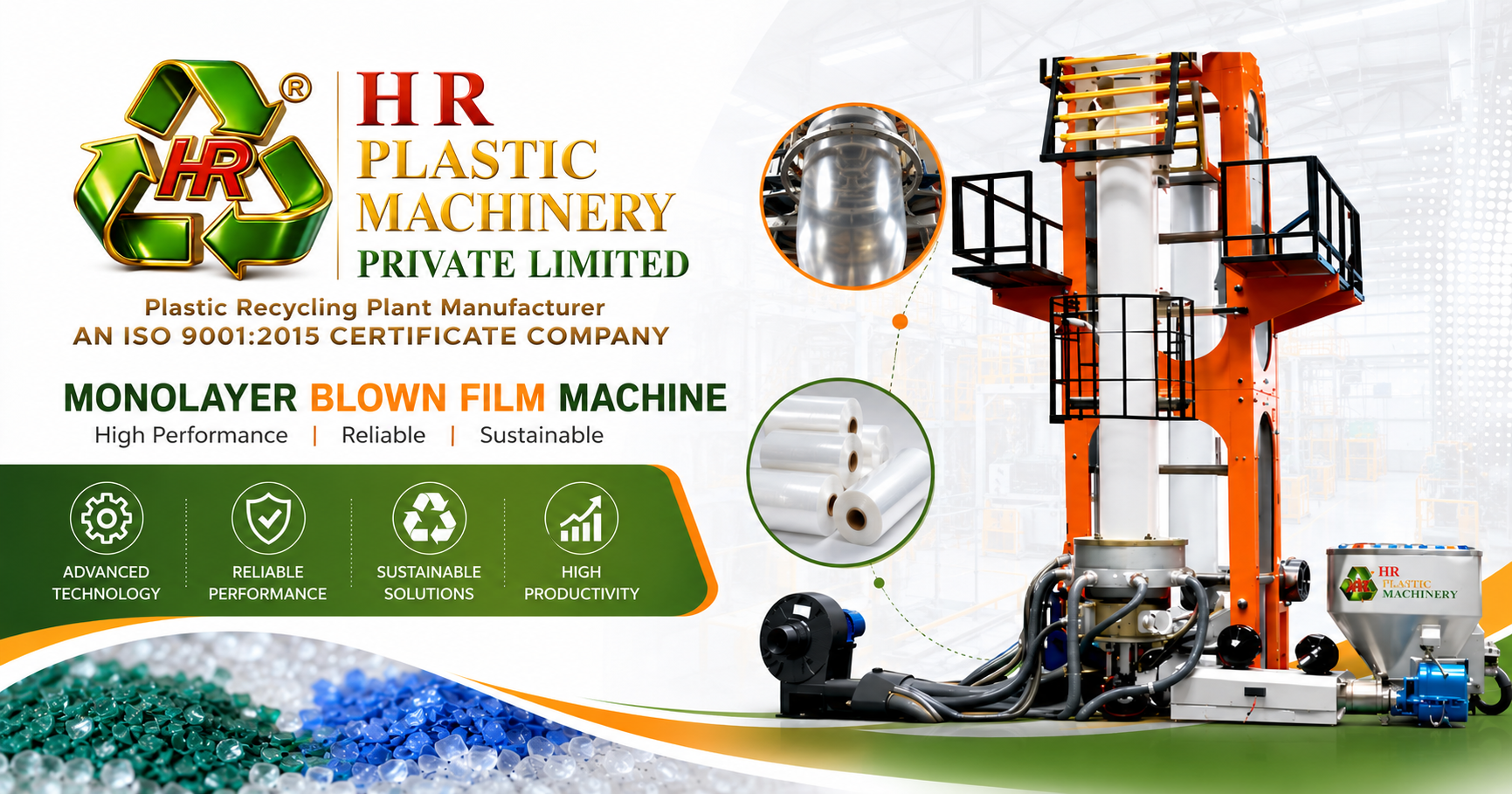
H.R. PLASTIC MACHINERY PVT. LTD.
Plastic Dana Making Machine
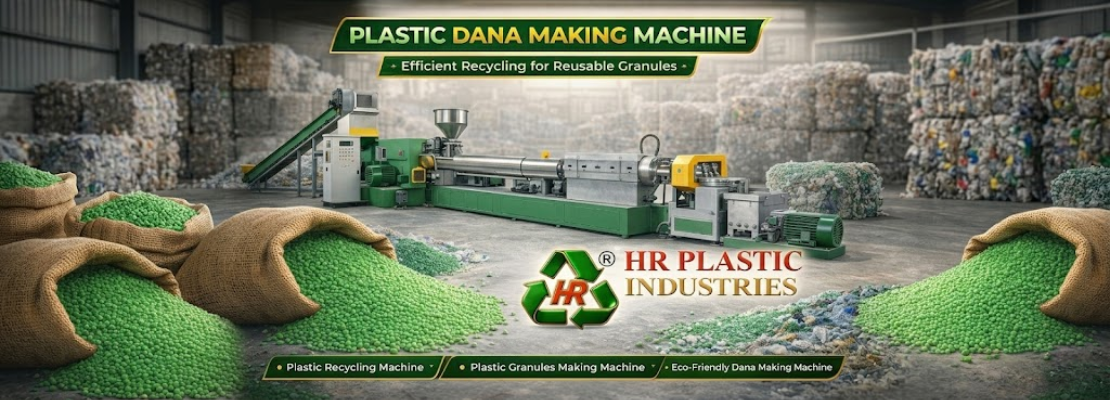
Plastic Dana Making Machine
Plastic Recycling Machine Manufacturer | HR Plastic Industries
Email
[email protected]
Industrial Machinery · Ahmedabad
Plastic Recycling Machine Manufacturer
Plastic waste management has become a critical concern for industries involved in plastic processing and manufacturing. A plastic recycling machine manufacturer plays an important role in helping industries convert plastic waste into reusable raw material. These machines are designed to enhance operational efficiency while reducing environmental impact, making them a key component of modern industrial systems.
Industries that work with plastic materials often generate significant volumes of scrap during production. Instead of discarding this waste, recycling machines enable businesses to process it into usable granules. This approach not only reduces waste but also supports cost control and better resource utilization.
Overview
Understanding Plastic Recycling Machines and Their Industrial Role
Plastic recycling machines are engineered to process plastic waste into reusable forms such as pellets or granules. These systems are widely used in manufacturing environments where plastic materials are handled regularly. By integrating multiple stages into a streamlined workflow, recycling machines ensure efficient waste management and consistent output quality.
The recycling process typically includes shredding, cleaning, drying, melting, and pelletizing. Each stage is designed to prepare the material for reuse while preserving its quality and structural integrity.
Modern recycling machines are capable of processing various plastic materials, including HDPE, LDPE, PP, and PVC. Their advanced design supports smooth operation, optimized energy use, and improved overall productivity.
Equipment
Key Machines Used in Plastic Recycling Systems
A complete plastic recycling system consists of multiple machines, each performing a specific function within the process.
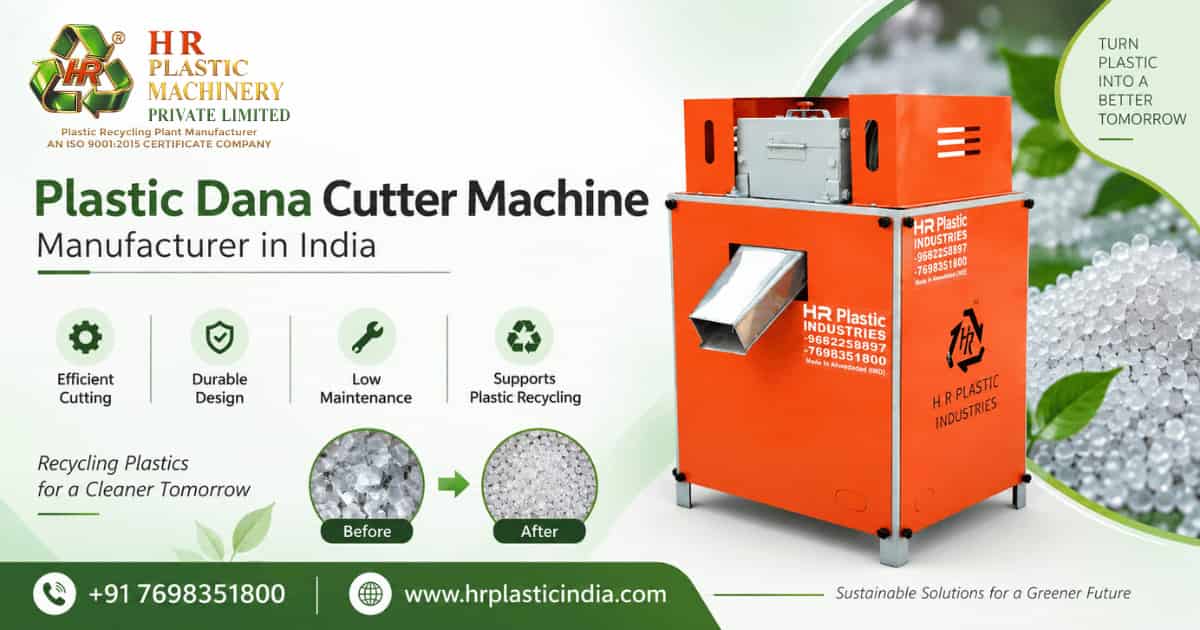
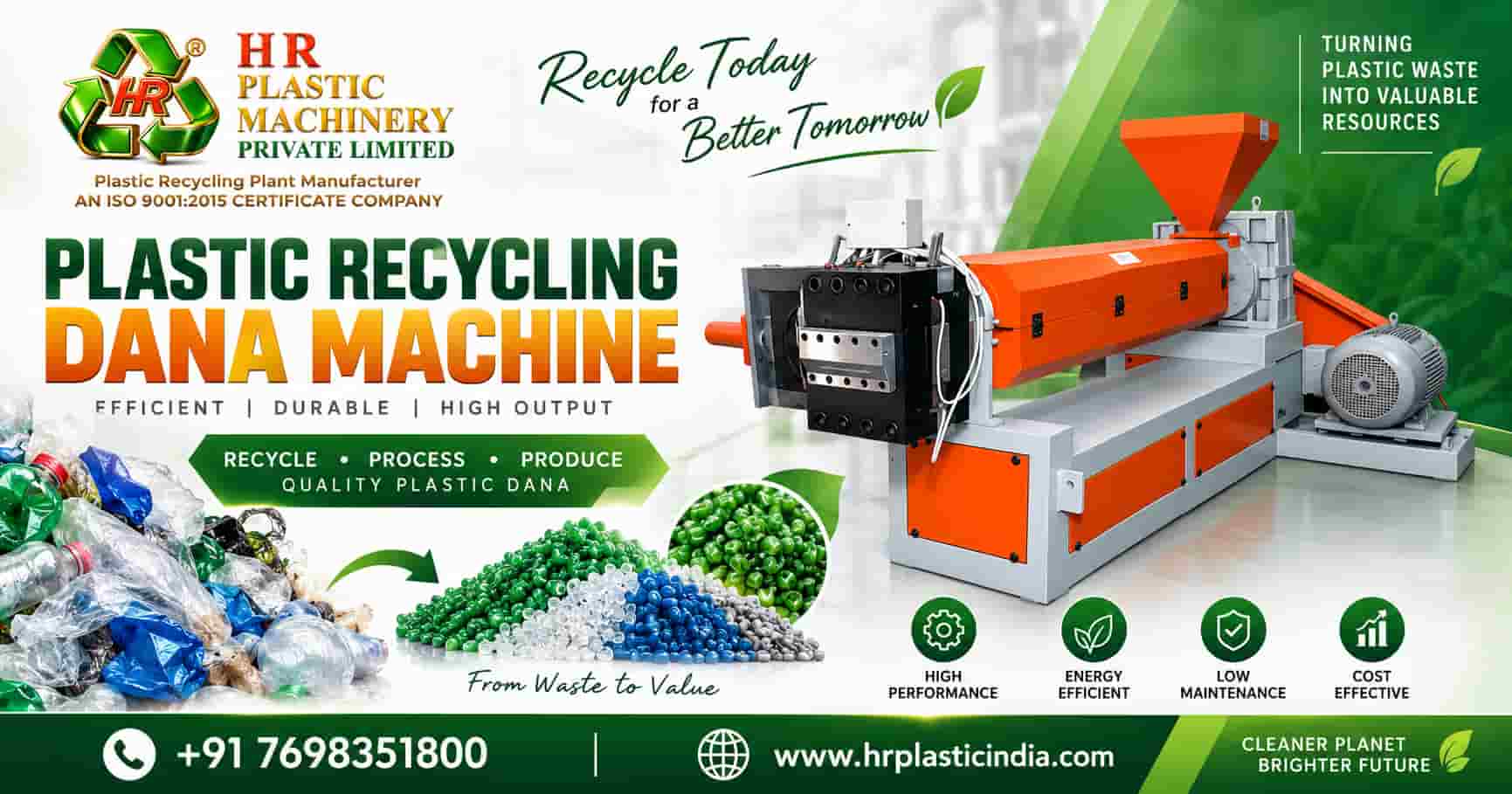
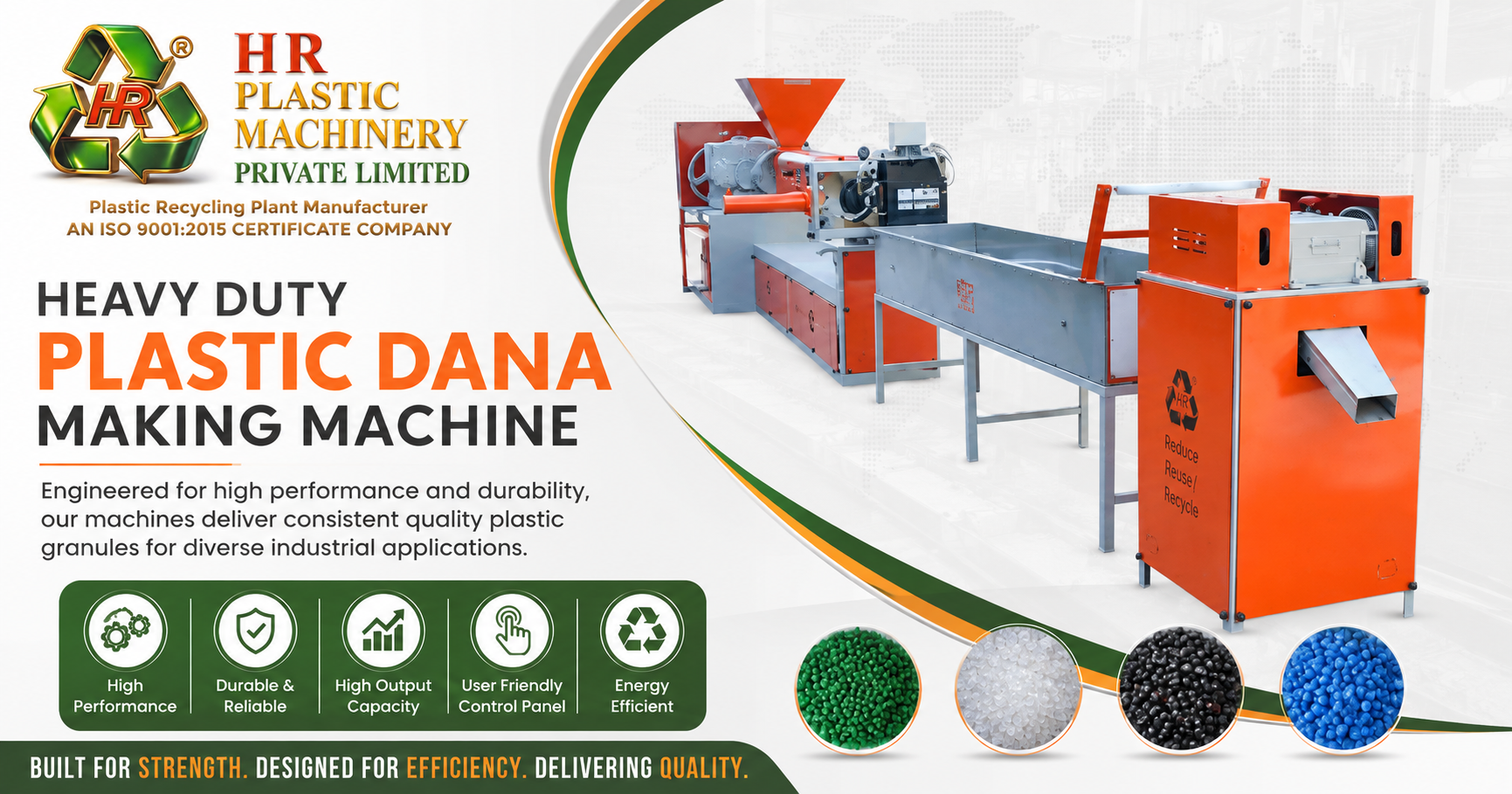
Plastic Dana Making Machine
This machine converts processed plastic into uniform granules suitable for reuse in manufacturing. It helps maintain material consistency and improves production efficiency.
Plastic Scrap Grinder Machine
This machine reduces plastic waste into smaller pieces, making it easier to handle and process in subsequent stages. It contributes to smoother system operation.
Automatic Plastic Dryer Machine
After washing, plastic material must be properly dried to remove moisture. This machine ensures effective drying, which is essential for maintaining the quality of recycled output.
Die Face Cutter
This machine cuts molten plastic into uniform pellets during the final stage of processing. It ensures precision and consistency in the finished material.
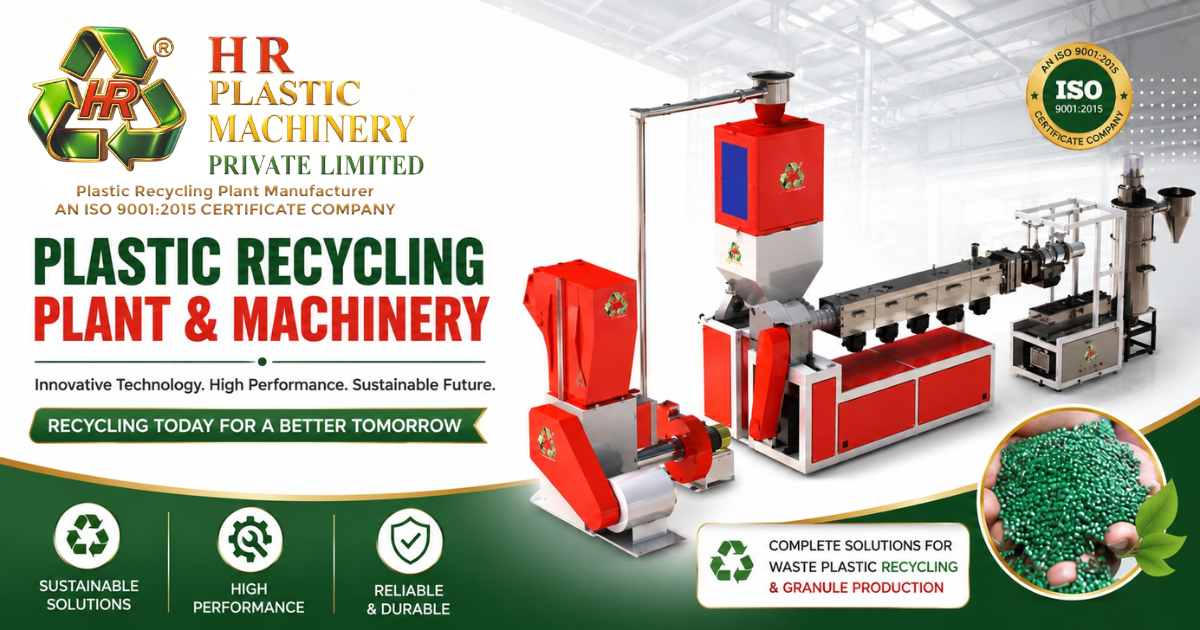
Automatic Recycling Plant
An integrated system that combines all stages of recycling into a continuous process. It improves productivity and reduces the need for manual handling.
Process
Working Process of Plastic Recycling Machines
The recycling process follows a structured sequence to ensure effective conversion of plastic waste into reusable material.
01
Collection and segregation of plastic waste
02
Grinding of plastic into smaller flakes
03
Washing to remove impurities
04
Drying to eliminate moisture
05
Melting and extrusion
06
Pelletizing into reusable granules
This structured process ensures that the final output is suitable for reuse in various industrial applications while maintaining consistent quality.
Applications
Applications of Plastic Recycling Machines in Industries
Plastic recycling machines are widely used across multiple industries due to their ability to convert waste into valuable raw material.
- Plastic manufacturing and molding units
- Packaging and flexible film industries
- Automotive component production
- Agriculture and irrigation products
- Recycling and waste management plants
- Consumer goods manufacturing
These applications demonstrate the importance of recycling systems in supporting efficient and sustainable industrial operations.
Selection Guide
Factors to Consider When Choosing a Plastic Recycling Machine Manufacturer
Selecting the right manufacturer is essential for ensuring reliable performance and long-term operational efficiency. Industries should evaluate machines based on several important parameters.
- Build quality and durability
- Compatibility with different plastic materials
- Energy efficiency and operational cost
- Level of automation and ease of operation
- Maintenance requirements and service support
- Compliance with industrial standards
Careful evaluation of these factors helps ensure consistent performance and minimizes operational challenges over time.
Benefits
Benefits of Using Plastic Recycling Machines
Plastic recycling machines offer several advantages that support both operational efficiency and environmental responsibility.
- Reduction in raw material costs
- Efficient utilization of plastic waste
- Improved production efficiency
- Consistent quality of recycled material
- Reduced environmental impact
- Support for sustainable manufacturing practices
These benefits make recycling machines a valuable investment for industries handling plastic materials.
Technology
Technology Advancements in Plastic Recycling Machinery
Recent advancements in recycling technology have significantly improved machine performance and efficiency. Modern systems are equipped with automated controls, advanced monitoring panels, and energy-efficient components that enhance productivity and operational reliability.
Smart monitoring features allow operators to track performance and identify issues in real time. Improved extrusion systems ensure better material processing and higher output consistency. These developments help industries achieve more stable and efficient recycling operations.
Manufacturers are also focusing on systems capable of processing mixed plastic waste more effectively. This improves flexibility and allows industries to handle diverse materials without compromising performance.
Future Scope
Future Scope of Plastic Recycling Industry
The plastic recycling industry is expected to grow steadily as industries continue to adopt sustainable practices. Increasing awareness of environmental impact and evolving regulatory requirements are driving the demand for efficient recycling solutions.
Industries are focusing on reducing waste, optimizing resource usage, and improving operational efficiency. Recycling machines play a vital role in achieving these goals by enabling material reuse and reducing dependency on virgin raw materials.
With ongoing technological advancements, recycling systems are becoming more efficient, adaptable, and reliable. This will further strengthen their importance in industrial operations and long-term environmental management.
Conclusion
Conclusion
Plastic recycling machines are essential for industries aiming to manage waste effectively and maintain sustainable operations. A reliable plastic recycling machine manufacturer provides solutions that help convert plastic waste into reusable resources while improving production efficiency.
As industries continue to prioritize sustainability and resource optimization, the demand for advanced recycling systems will grow. Investing in efficient recycling machinery supports long-term operational performance and responsible environmental practices.
FAQs
Frequently Asked Questions
What is a plastic recycling machine?
+
A plastic recycling machine converts plastic waste into reusable materials such as granules or pellets that can be used again in manufacturing processes.
Which industries use plastic recycling machines?
+
These machines are commonly used in plastic manufacturing, packaging, automotive, agriculture, and recycling industries where plastic waste is generated.
What types of plastic can be recycled?
+
Most machines can process materials such as HDPE, LDPE, PP, and PVC, depending on their design and configuration.
Why is drying important in plastic recycling?
+
Drying removes moisture from plastic material, which is necessary to maintain the quality and consistency of the final recycled product.
How does a die face cutter work?
+
A die face cutter cuts molten plastic into small, uniform pellets during the final stage of the recycling process.
What factors should be considered before buying a recycling machine?
+
Key factors include machine quality, energy efficiency, automation level, compatibility with materials, and maintenance requirements.
Is plastic recycling cost-effective?
+
Yes, recycling helps reduce raw material costs and improves resource utilization, making it a cost-effective solution for industries.
Contact
Get in Touch
Phone
+91 7698351800Recent Posts