H.R. PLASTIC MACHINERY PVT. LTD.
Plastic Recycling Plant Manufacturer in Ahmedabad

Plastic Recycling Plant Manufacturer in Ahmedabad
Plastic Recycling Plant Manufacturer in Ahmedabad | H.R. Plastic Industries
Plastic Recycling Plant Manufacturer in Ahmedabad
Plastic waste management has become a critical industrial and environmental priority across India. With tightening regulations and rising sustainability expectations, industries are increasingly investing in efficient plastic recycling infrastructure. Ahmedabad, one of Gujarat's strongest industrial hubs, has emerged as a major center for plastic recycling plant manufacturing due to its engineering ecosystem, skilled workforce, and strong logistics connectivity.
About H.R. Plastic Industries
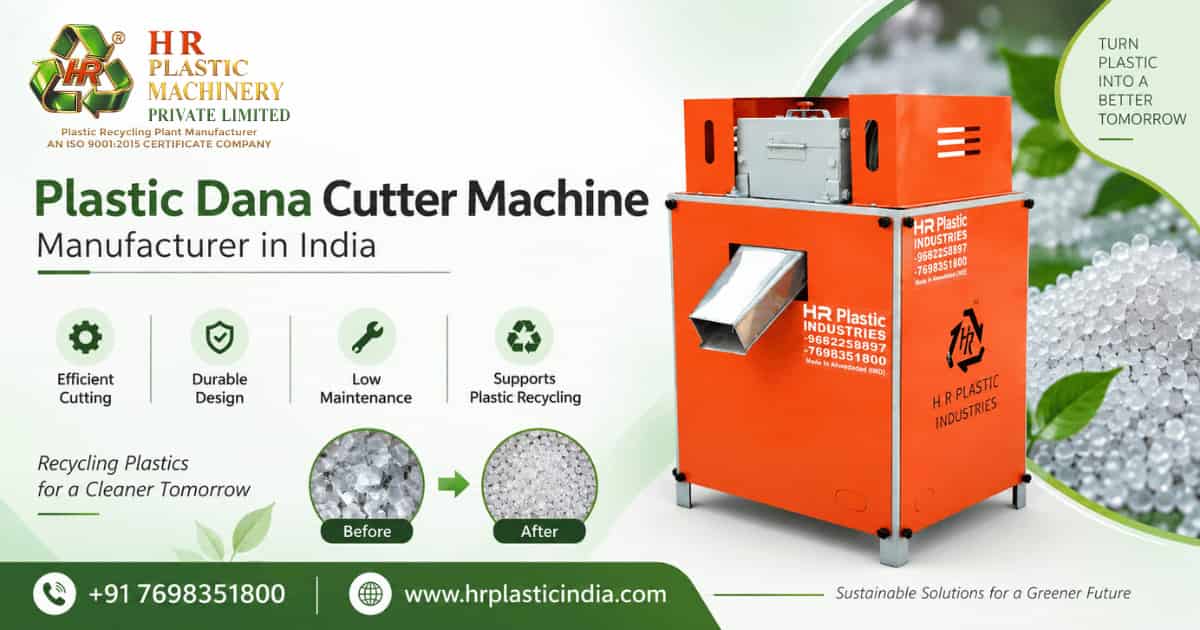
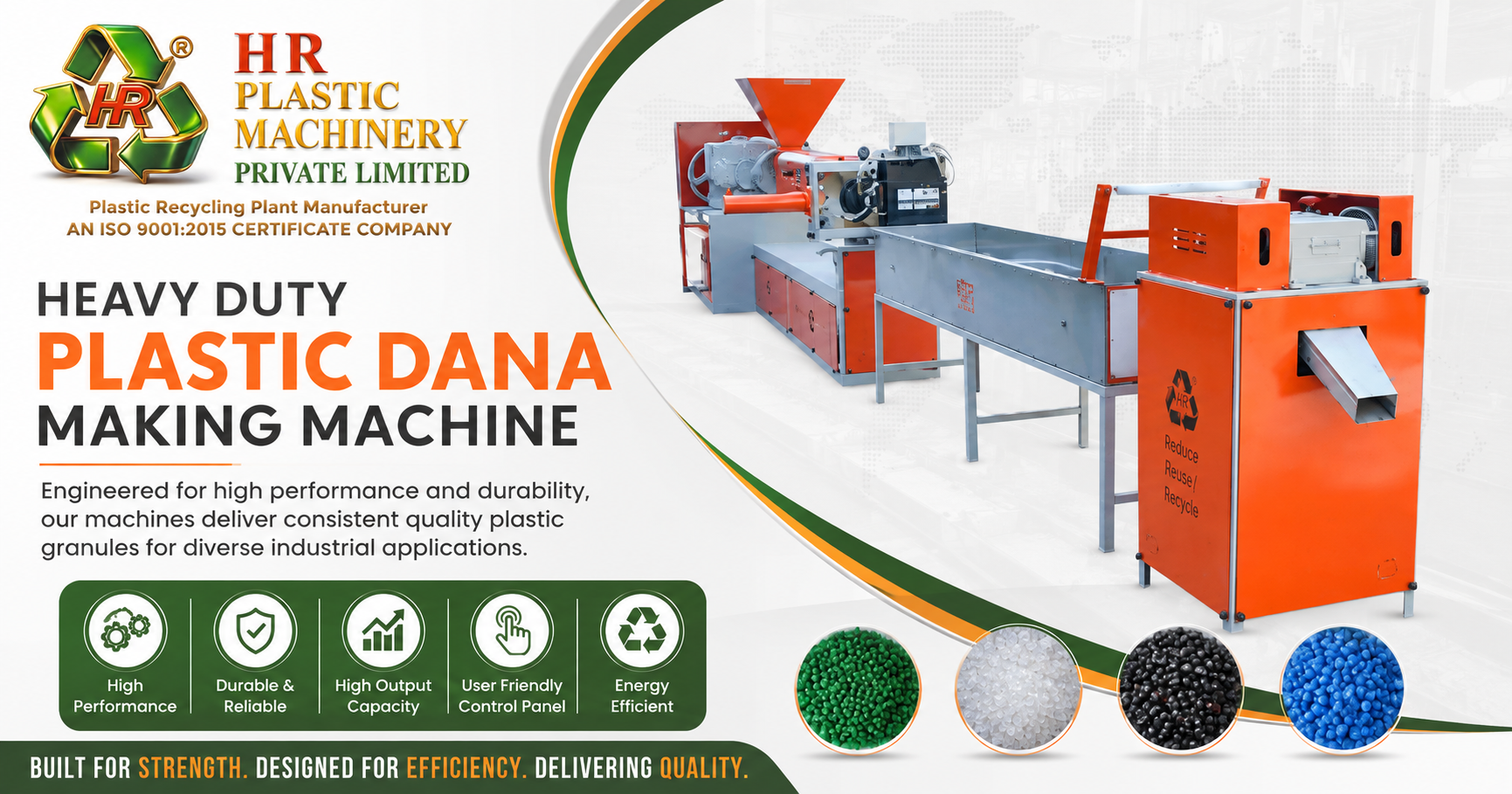
Established in 1987, H.R. Plastic Industries is an Indian manufacturer of plastic processing and recycling machinery. The company designs and manufactures equipment such as plastic dana making machines, plastic scrap grinder machines, plastic granules making machines, PVC pipe machinery, automatic plastic dryers, die face cutters, and related recycling systems. Operations are supported by structured manufacturing processes, long-standing industry experience, and nationwide supply capabilities. The company follows defined quality practices, operational transparency, and standardized production methods.
Understanding Plastic Recycling Plants
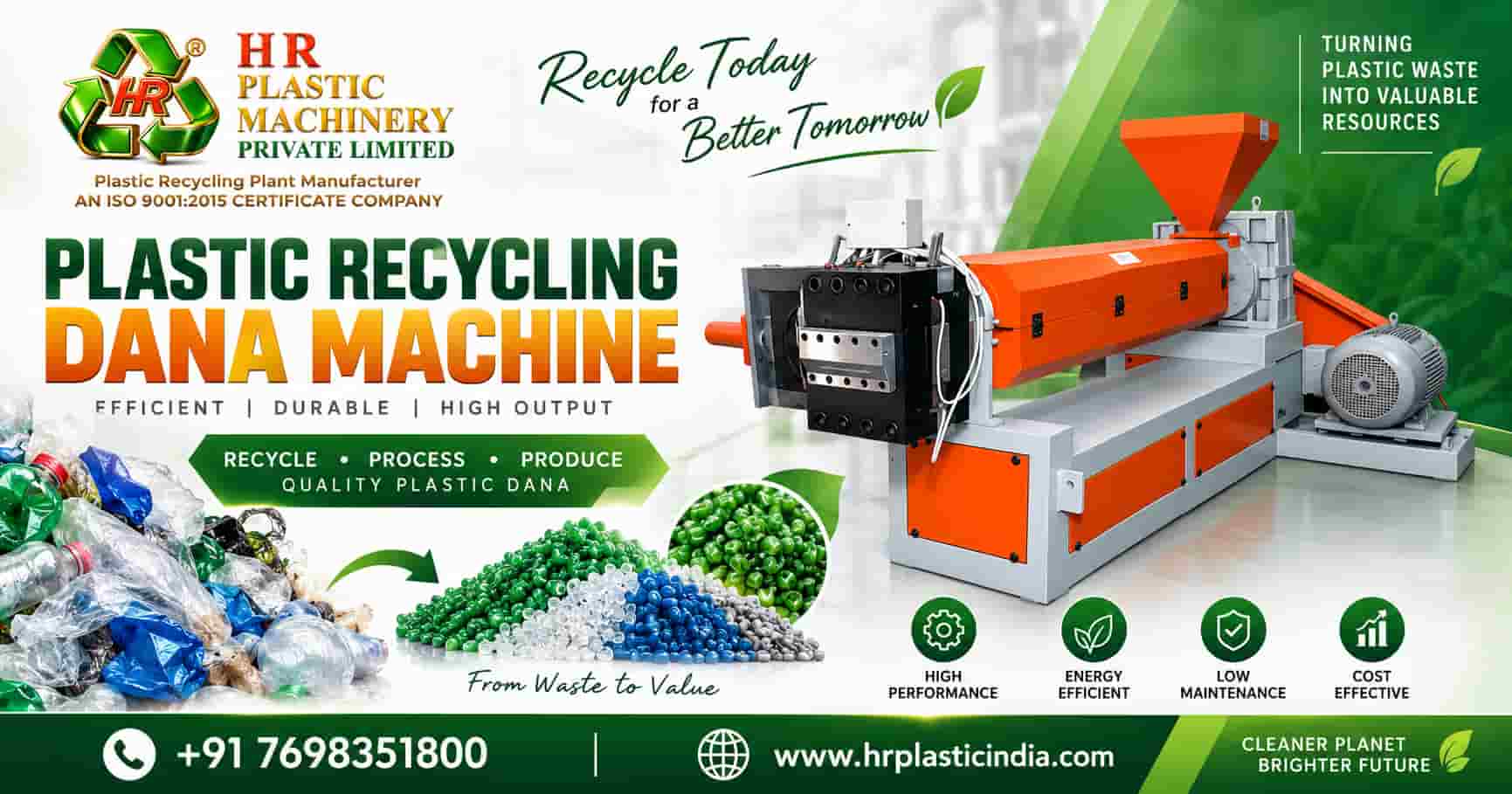
A plastic recycling plant is a system of machines designed to convert plastic waste into reusable plastic granules or raw material. These plants are capable of handling various plastic types, including rigid plastics, soft plastics, films, and industrial scrap. Recycling reduces reliance on virgin plastic, lowers production waste, and supports circular manufacturing practices.
Such plants are widely used by plastic processors, packaging manufacturers, injection molding units, extrusion plants, and recycling operators across India.
How a Plastic Recycling Plant Works
A plastic recycling plant functions through a structured sequence of mechanical and thermal processes. Each stage contributes to maintaining consistent output quality and operational efficiency.
The general working process includes collection and segregation of plastic scrap based on material type, size reduction using plastic scrap grinder machines, washing and drying to remove contaminants, melting and filtration using extrusion and screen changer systems, and cutting molten plastic into granules using die face cutters or pelletizers. This controlled process converts plastic waste into uniform granules suitable for reuse in manufacturing applications.
Key Components of a Plastic Recycling Plant
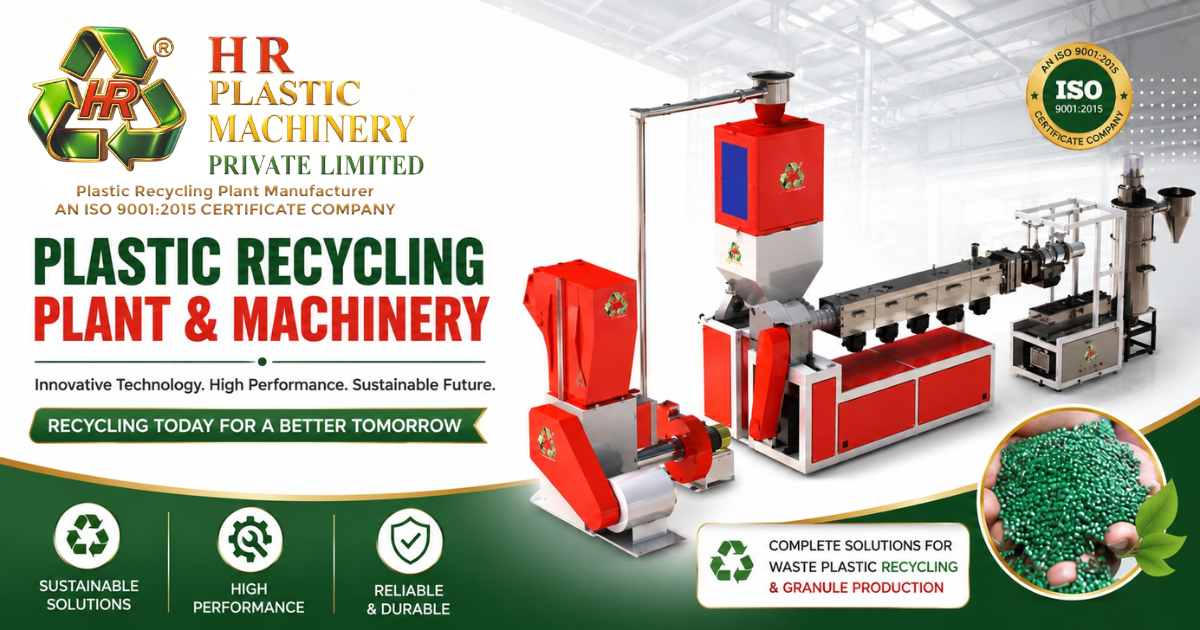
A complete plastic recycling plant consists of multiple machines operating in coordination. Each component directly influences output quality, energy efficiency, and production stability.
Core components typically include:
- Plastic scrap grinder machine for size reduction
- Washing and drying systems for material cleaning
- Extruder with hydraulic screen changer for melt filtration
- Die face cutter or pelletizing system for granule formation
- Material handling and control systems
Manufacturers in Ahmedabad often customize plant configurations based on raw material characteristics, required output capacity, and downstream application needs.
Why Ahmedabad Is a Hub for Plastic Recycling Plant Manufacturing
Ahmedabad has developed into a preferred location for plastic recycling machinery manufacturing due to several industrial advantages. The region hosts clusters of plastic processors, machine tool suppliers, automation vendors, and logistics providers, creating a well-established manufacturing ecosystem.
Access to skilled engineers and technicians, proximity to plastic processing industries, availability of fabrication infrastructure, and connectivity to highways and ports enable manufacturers to design, test, and supply recycling plants efficiently across India.
Industries Using Plastic Recycling Plants in Ahmedabad and Gujarat
Plastic recycling plants manufactured in Ahmedabad serve a wide range of industries, from small recycling units to large-scale manufacturers seeking in-house recycling solutions.
Common application areas include plastic packaging and film manufacturing units, injection molding and extrusion plants, PVC pipe and profile manufacturers, industrial plastic scrap recyclers, and FMCG and consumer goods manufacturers. These industries depend on recycling plants to reduce waste disposal costs, improve material utilization, and meet sustainability requirements.
Types of Plastic Recycling Plants
Plastic recycling plants are not uniform systems. They are configured based on material type, output requirements, and operational constraints.
Common configurations include single-stage recycling plants for clean scrap, two-stage or mother-baby recycling plants for mixed or printed waste, automatic recycling plants with integrated controls, and customized systems designed for specific polymers. Manufacturers in Ahmedabad often offer modular designs that allow for future capacity expansion.
Important Factors When Choosing a Plastic Recycling Plant Manufacturer in Ahmedabad
Selecting the right manufacturer is a long-term operational decision. Buyers should prioritize technical capability, manufacturing experience, and service reliability over surface-level claims.
Key evaluation factors include experience in plastic recycling machinery manufacturing, in-house design and fabrication capabilities, ability to customize plant configurations, quality control processes and testing standards, and availability of installation, servicing, and technical support. Manufacturers with proven field installations and structured after-sales support help reduce operational risks over time.
Role of Quality and Standards in Recycling Plant Manufacturing
Plastic recycling plants operate under high temperature, pressure, and continuous load conditions. Manufacturing quality has a direct impact on machine life, safety, and output consistency.
Reputed manufacturers follow standardized fabrication practices, appropriate material selection, and systematic assembly checks. Adherence to industrial standards ensures reliable performance in demanding production environments and consistent output over extended operating cycles.
Installation, Service, and Long-Term Support
Beyond machine manufacturing, proper installation and ongoing service play a critical role in recycling plant performance. Correct alignment, calibration, and commissioning help prevent early wear and operational inefficiencies.
Manufacturers that provide installation guidance, routine maintenance support, and spare parts availability contribute to uninterrupted production. Long-term service access is especially important for recycling units operating on continuous cycles.
Plastic Recycling Demand in Ahmedabad and Western India
Ahmedabad and the surrounding Gujarat region have seen steady growth in plastic processing and recycling demand. Industrial expansion, stricter waste management regulations, and increasing focus on sustainability are driving investment in recycling infrastructure.
Manufacturers based in Ahmedabad are well positioned to supply recycling plants across Gujarat, Maharashtra, Rajasthan, Madhya Pradesh, and nearby regions due to logistical advantages.
Environmental and Operational Benefits of Plastic Recycling Plants
Plastic recycling plants support both environmental responsibility and operational efficiency. They help reduce landfill waste, minimize dependence on virgin raw materials, and enable industries to manage plastic scrap internally.
Operational advantages include improved material recovery, reduced procurement costs, consistent raw material quality, and better alignment with sustainability expectations from customers and regulators.
Conclusion
Plastic recycling plants play an essential role in modern industrial operations by converting waste into valuable reusable material. Ahmedabad has established itself as a strong manufacturing base for plastic recycling plants due to its engineering expertise, industrial ecosystem, and supply capabilities.
Selecting an experienced plastic recycling plant manufacturer in Ahmedabad ensures access to technically sound machinery, structured manufacturing processes, and long-term operational support. As sustainability and material efficiency continue to influence industrial decision-making, reliable recycling infrastructure remains a critical investment for plastic processors across India.
Frequently Asked Questions
What does a plastic recycling plant produce as output?
A plastic recycling plant produces plastic granules or pellets from waste plastic. These
granules are reused in manufacturing processes such as extrusion, molding, or compounding.
Is a plastic recycling plant suitable for small manufacturing units?
Yes. Recycling plants can be configured for small, medium, or large-scale operations. Capacity
and automation levels are selected based on production requirements and available space.
Can recycling plants handle mixed plastic waste?
Certain plant configurations, such as two-stage or mother-baby systems, are designed to process
mixed or contaminated plastic waste after proper segregation and washing.
Why is Ahmedabad preferred for plastic recycling machinery sourcing?
Ahmedabad offers experienced manufacturers, skilled engineering resources, strong industrial
infrastructure, and efficient logistics, making it a reliable sourcing location.
What maintenance is required for plastic recycling plants?
Regular inspection of grinders, heaters, cutters, and filtration systems is necessary.
Preventive maintenance helps ensure consistent output and extends machine life.
Are recycling plants customizable based on material type?
Yes. Manufacturers customize screw designs, filtration systems, and cutting mechanisms based on
polymer type and processing requirements.
How long does installation typically take?
Installation time depends on plant size and complexity. Standard recycling plants are generally
commissioned within a few weeks after delivery.
Get in Touch
Recent Posts