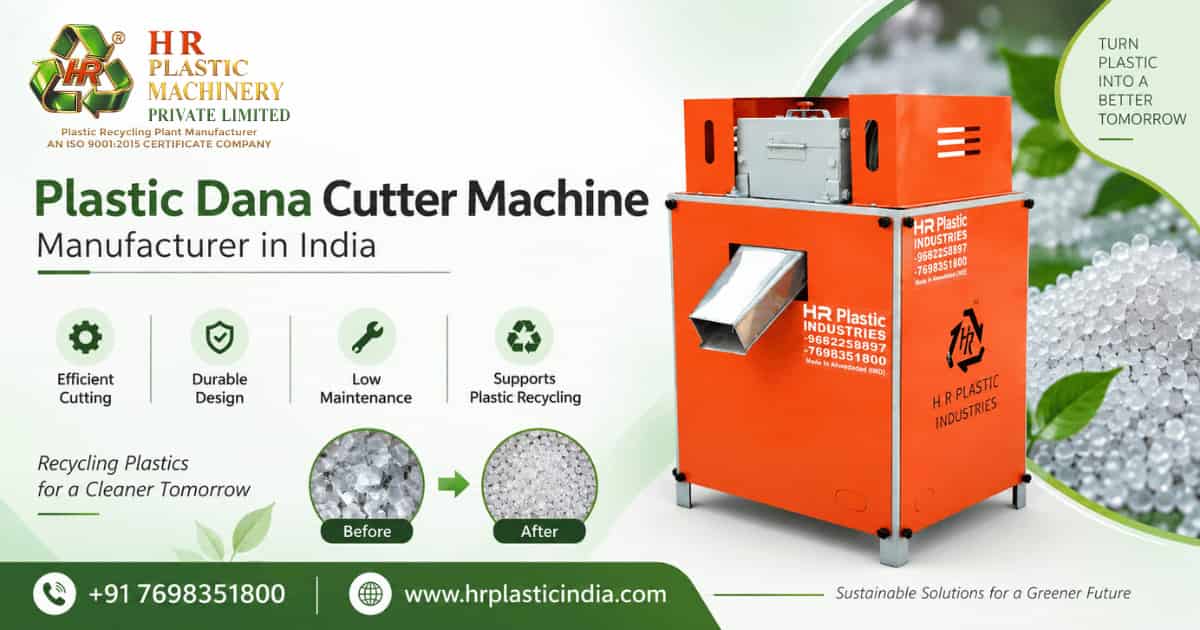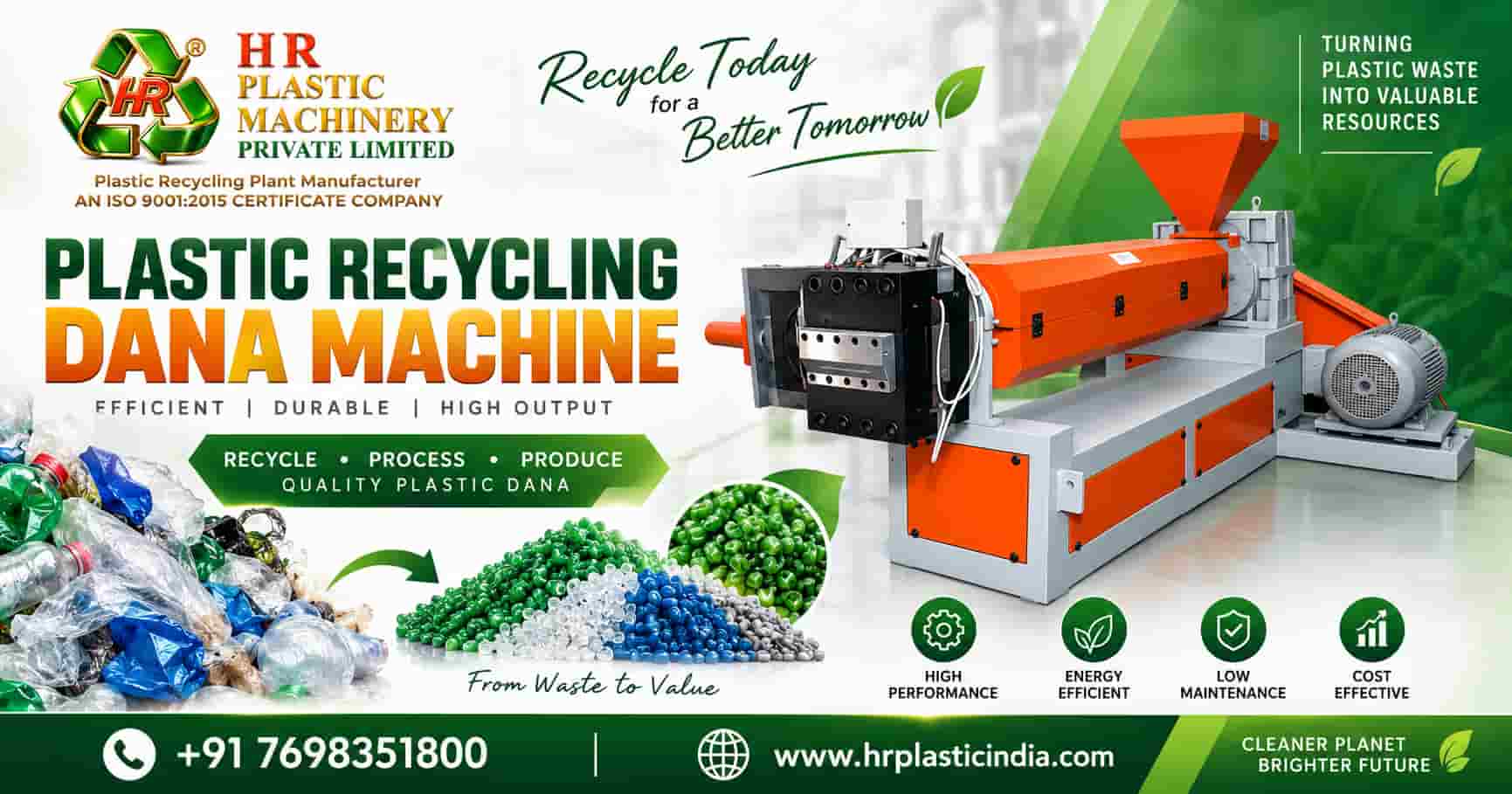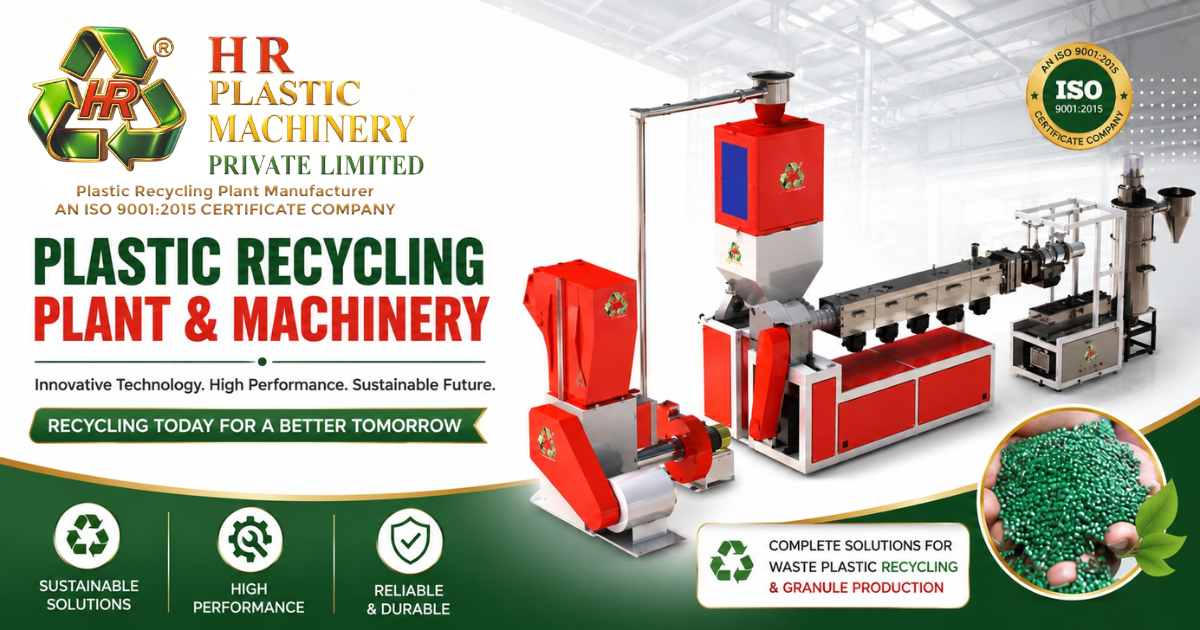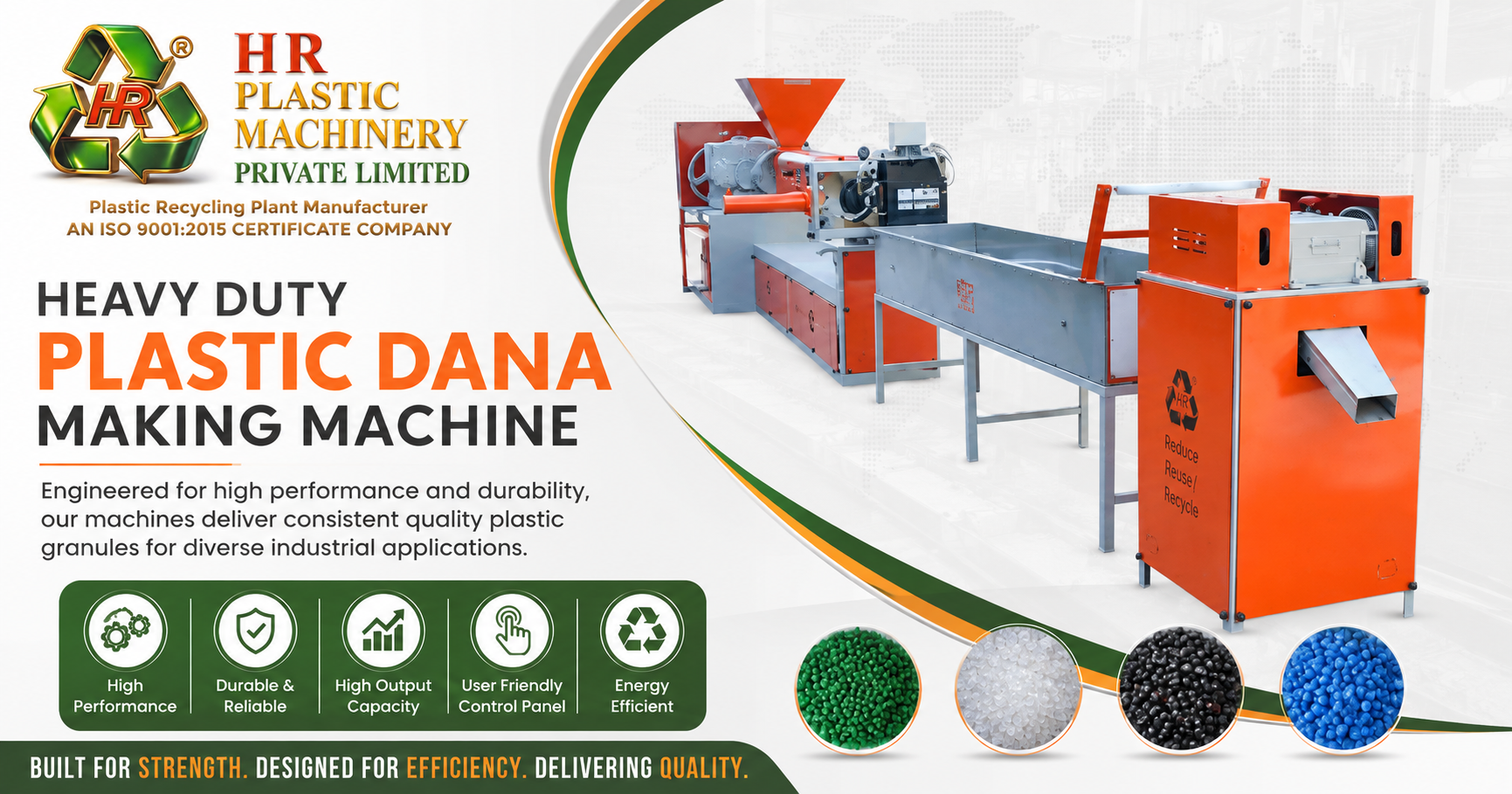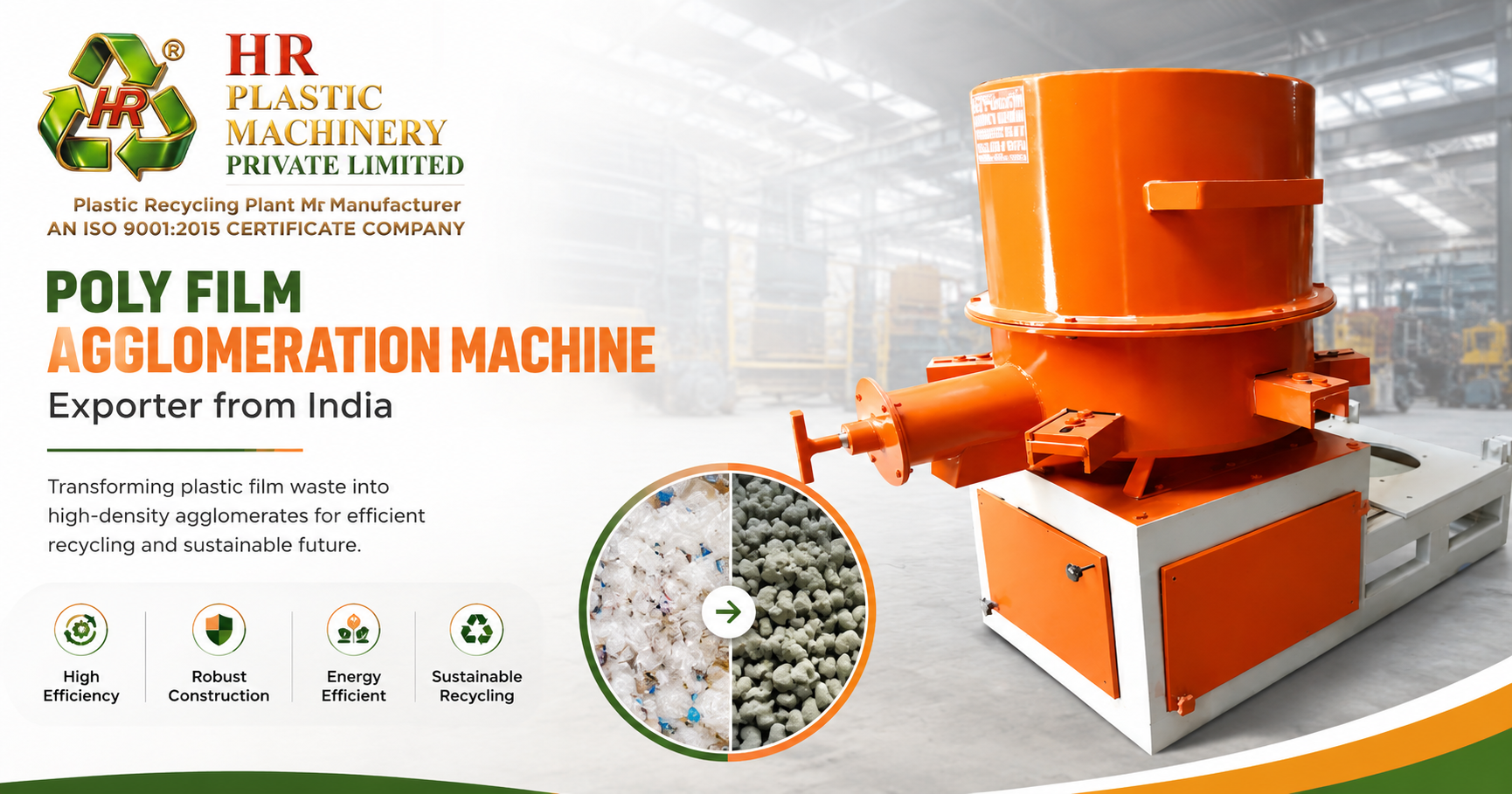
poly film agglomeration machine exporter from india
Leading poly film agglomeration machine exporter in Ahmedabad. Enhance your plastic recycling efficiency with HR Plastic's advanced densifier machines.
Introduction
Plastic film waste, particularly from polyolefins like LDPE and PP, presents a significant challenge for recycling operations. Without proper pre-processing, these lightweight, bulky materials are difficult and inefficient to handle, transport, and further process into usable granules. This is where an agglomeration machine, also known as a plastic densifier, becomes indispensable. It transforms loose film waste into dense, uniform particles that are ideal for feeding into extruders, dramatically improving the efficiency and economics of plastic recycling. For businesses in Ahmedabad and across India seeking robust solutions for poly film recycling, understanding the role and benefits of these machines is crucial.
Why This Matters in Ahmedabad
Ahmedabad, a major industrial hub in Gujarat, is home to a thriving plastics processing sector. This growth, while beneficial, also generates substantial plastic waste, including vast quantities of poly films from packaging, agricultural, and manufacturing applications. The city's commitment to industrial development is increasingly intertwined with environmental responsibility. Therefore, efficient plastic waste management and recycling infrastructure are paramount. Companies in Ahmedabad require advanced machinery like poly film agglomeration machines to effectively process this waste, turning a disposal problem into a valuable resource and contributing to Gujarat's circular economy initiatives.
What is a Poly Film Agglomeration Machine — Overview
A poly film agglomeration machine, or plastic densifier, is a specialized piece of equipment designed to process loose, low-density plastic materials, primarily films and bags, into a more compact and manageable form. The process involves rapidly rotating the plastic material within a heated chamber. Friction and mechanical action cause the plastic particles to heat up, soften, and fuse together. This action breaks down the material structure and forces it into dense, irregular-shaped agglomerates. These agglomerates are significantly denser than the original film, making them easier to convey, store, and feed into subsequent recycling processes like extrusion for granulation.
Key Features and Technical Specifications
- High-Speed Rotor: Designed for optimal friction and material processing.
- Heated Chamber: Facilitates softening and fusing of plastic particles.
- Adjustable Rotor Speed: Allows for customization based on material type and desired output.
- Robust Construction: Built with heavy-duty materials for continuous operation.
- Integrated Cooling System: Prevents overheating and ensures consistent agglomerate quality.
- Safety Interlocks: Ensures operator safety during operation.
- Variable Output Capacity: Available in models to suit different production scales.
- Energy-Efficient Design: Optimized for lower power consumption.
Industrial Applications and Use Cases
- Recycling of LDPE Films: Processing agricultural films, packaging films, and shrink wraps.
- Recycling of PP Films: Handling woven sacks, BOPP films, and packaging materials.
- Pre-processing for Granulation: Preparing film waste for feeding into pelletizing or granulating machines.
- Densifying Loose Plastic Waste: Making materials like shredded plastic bags more manageable.
- Improving Material Flow: Creating uniform particles that flow easily into extruders.
- Reducing Storage Space: Compacting bulky film waste into dense agglomerates.
- Enhancing Extruder Efficiency: Providing a consistent feed material for smoother extrusion.
- Waste-to-Resource Conversion: Facilitating the economic viability of plastic recycling operations.
How to Choose the Right Poly Film Agglomeration Machine
Selecting the appropriate agglomeration machine is critical for maximizing recycling efficiency and product quality. Consider the following factors:
- Material Type: Ensure the machine is designed for the specific types of poly films you process (e.g., LDPE, PP, LLDPE).
- Capacity Requirements: Determine the volume of film waste you need to process daily or hourly.
- Motor Power and Rotor Speed: These directly impact processing efficiency and the density of agglomerates.
- Chamber Design and Heating: Look for efficient heating and cooling mechanisms for optimal fusion.
- Durability and Build Quality: Opt for machines constructed from high-grade steel for longevity.
- Ease of Operation and Maintenance: Consider user-friendly controls and accessible components for maintenance.
- Supplier Reputation and Support: Choose a manufacturer with a proven track record and reliable after-sales service.
- Safety Features: Verify that the machine meets all necessary safety standards.
Quality Standards and Compliance
For any industrial machinery, adherence to quality standards and compliance with relevant regulations is non-negotiable. Manufacturers committed to excellence will ensure their poly film agglomeration machines are built to withstand demanding operational environments and deliver consistent performance. This often involves adhering to international standards for manufacturing processes and electrical safety, such as CE certification, which indicates conformity with health, safety, and environmental protection standards for products sold within the European Economic Area. Buyers should inquire about the specific standards the machinery complies with and look for certifications that attest to the quality and safety of the equipment.
Why H.R. Plastic Machinery Private Limited's Experience and Capability Matters
Established in 1987, H.R. Plastic Machinery Private Limited brings decades of specialized experience in designing and manufacturing plastic processing equipment. This extensive history means a deep understanding of the nuances of plastic recycling, particularly with challenging materials like poly films. Our manufacturing processes are refined, focusing on precision engineering to ensure each agglomeration machine is robust, efficient, and reliable. Our technical team comprises experienced engineers and technicians dedicated to innovation and quality control, ensuring that every machine leaving our facility meets stringent performance benchmarks. We pride ourselves on our capability to deliver customized solutions and provide dependable after-sales support, making us a trusted partner for your plastic recycling needs in Ahmedabad and beyond.
Installation, Maintenance, and Care Tips
Proper installation and regular maintenance are key to ensuring the longevity and optimal performance of your poly film agglomeration machine.
- Installation: Ensure the machine is installed on a stable, level surface. Verify all electrical connections are made by a qualified technician according to local codes. Allow adequate space around the machine for operation and maintenance access.
- Initial Run: Before processing large batches, run the machine with a small quantity of material to check for proper operation and adjust settings as needed.
- Regular Cleaning: Keep the machine interior clean to prevent material buildup, which can affect performance and potentially cause damage.
- Lubrication: Follow the manufacturer's recommended lubrication schedule for all moving parts, especially the rotor bearings.
- Wear Parts Inspection: Periodically inspect the rotor blades and chamber lining for wear. Replace them as needed to maintain processing efficiency.
- Motor and Electrical Checks: Regularly check the motor for unusual noises or overheating and ensure all electrical connections are secure.
- Operator Training: Ensure all operators are thoroughly trained on the machine's operation, safety features, and basic maintenance procedures.
Frequently Asked Questions
Our poly film agglomeration machines are primarily designed for low-density polyolefins such as LDPE (Low-Density Polyethylene), LLDPE (Linear Low-Density Polyethylene), and PP (Polypropylene) films. This includes agricultural films, packaging films, bags, and woven sacks.
It transforms loose, bulky film waste into dense, uniform agglomerates. This significantly increases the material's bulk density, making it easier and more cost-effective to transport, store, and feed into extrusion or granulation machinery, thereby improving overall recycling efficiency.
The output density can vary depending on the specific model and the type of plastic film being processed. However, our machines are engineered to achieve a substantial increase in bulk density, typically making the material much easier to handle and process further.
While the process involves friction and heat, our machines are designed with energy efficiency in mind. They optimize the use of energy to achieve effective agglomeration while minimizing power consumption compared to other pre-processing methods.
Regular maintenance includes cleaning the machine, lubricating moving parts, inspecting and replacing wear parts like rotor blades and chamber liners, and checking electrical components. Following the manufacturer's maintenance schedule is crucial for optimal performance.
While agglomeration machines can process films with some level of contamination, heavily soiled or mixed plastic types may affect the quality of the agglomerates and the efficiency of subsequent processes. Pre-washing or sorting may be necessary for optimal results.
Conclusion
For plastic recyclers in Ahmedabad and across India, investing in a high-quality poly film agglomeration machine is a strategic decision that directly impacts operational efficiency and profitability. By transforming bulky film waste into dense, manageable particles, these machines streamline the entire recycling workflow, from collection to final granulation. H.R. Plastic Machinery Private Limited, with its extensive experience since 1987, offers robust and reliable solutions tailored to meet the diverse needs of the plastic processing industry. Choosing a machine that aligns with your specific material types, capacity requirements, and quality standards, backed by a reputable manufacturer, is key to achieving successful and sustainable plastic recycling operations.
Get In Touch
Aircon Cooler