H.R. PLASTIC MACHINERY PVT. LTD.
Waste Plastic Recycling Machine Manufacturer
Waste Plastic Recycling Machine Manufacturer
Waste Plastic Recycling Machine Manufacturer | H.R. Plastic Industries
Plastic Recycling Solutions · Ahmedabad
Waste Plastic Recycling Machine Manufacturer
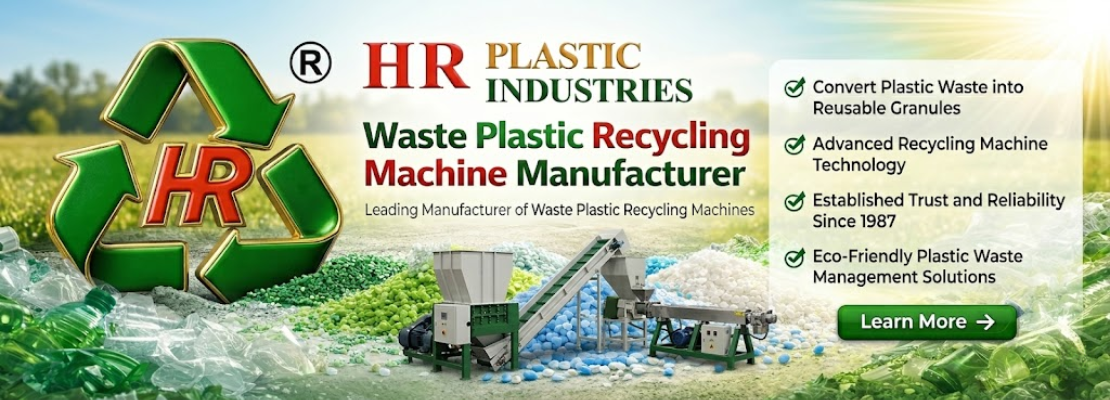
Plastic waste management has become a critical concern for industries and environmental systems worldwide. The widespread use of plastic across packaging, manufacturing, and infrastructure sectors has increased the need for efficient recycling solutions. Waste plastic recycling machines play a vital role in converting discarded plastic into reusable raw material, helping industries maintain operational efficiency while reducing environmental impact.
Modern recycling systems are designed to handle various types of plastic waste, including rigid plastics, films, and industrial scrap. These machines support continuous processing, ensuring that waste materials are converted into usable granules that can be reintroduced into manufacturing cycles. This approach not only reduces landfill waste but also supports more sustainable production practices.
About the Company
Established 1987
About H.R. Plastic Industries
H.R. Plastic Industries was established in 1987 and focuses on manufacturing a range of plastic processing machines. The company produces equipment such as plastic dana making machines, PVC garden pipe making machines, plastic scrap grinder machines, plastic granules making machines, automatic plastic dryer machines, and die face cutters. Its operations are centered on delivering quality products while maintaining transparency in business processes.
The organization follows structured manufacturing practices and aligns its systems with industry requirements. With extensive experience in plastic machinery production, it supports industries that require efficient and reliable solutions for processing and recycling plastic materials.
Machine Technology
Understanding Waste Plastic Recycling Machine Technology
A waste plastic recycling machine is engineered to process used plastic materials and convert them into reusable granules. The system typically includes multiple stages such as shredding, cleaning, drying, melting, and pelletizing. Each stage is carefully controlled to ensure that the final output meets quality and consistency requirements.
The process begins with size reduction, where plastic waste is broken down into smaller pieces using a grinder or shredder. These pieces are then cleaned to remove contaminants such as dust, labels, and residues. After cleaning, the material is dried and fed into an extruder, where it is melted under controlled temperature conditions.
The molten plastic is then passed through a die system to form strands, which are cut into uniform granules. These granules are widely used as raw material in manufacturing applications, allowing industries to reduce dependence on virgin plastic.
System Components
Key Components of a Plastic Recycling System
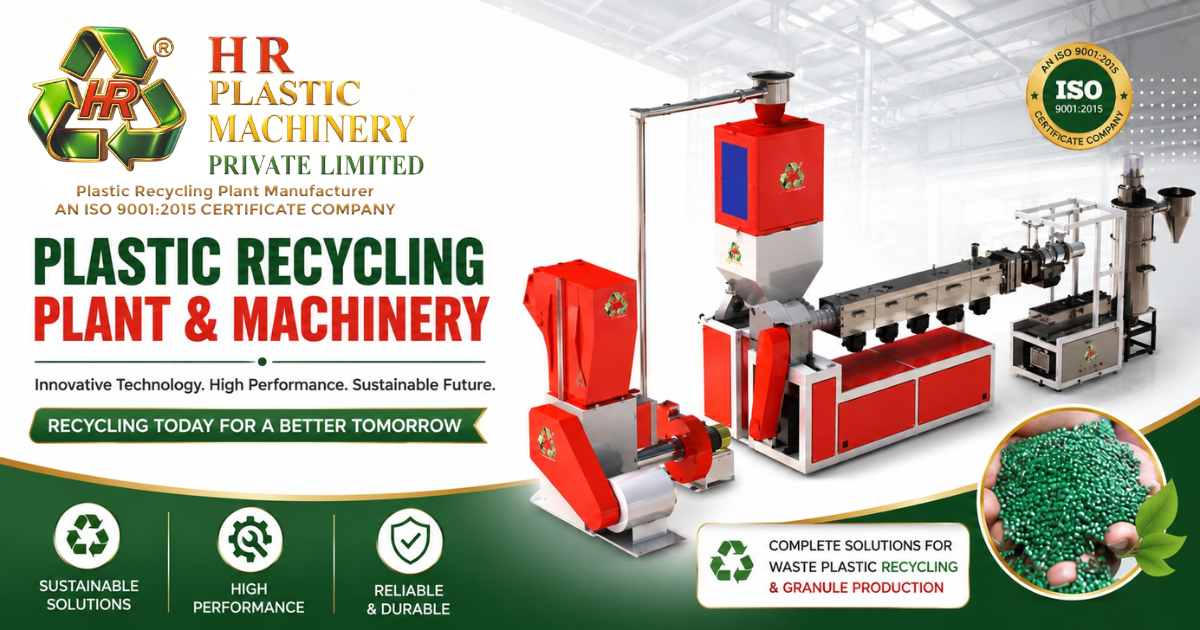
A complete waste plastic recycling setup includes several interconnected machines that ensure smooth processing and consistent output. These systems are designed for continuous operation and can be customized based on material type and production capacity.
- Plastic scrap grinder for size reduction
- Washing system for removing contaminants
- Dryer machine for moisture removal
- Extruder unit for melting plastic
- Die face cutter or pelletizer for granule formation
- Hydraulic screen changer for filtration
- Screw barrel for controlled material flow
Machine Types
Types of Waste Plastic Recycling Machines
Different types of recycling machines are used depending on the nature of plastic waste and production requirements. Selecting the right system depends on factors such as material type, output capacity, and end-use application.
Single-Stage Recycling Machines
Single-stage recycling machines are suitable for relatively clean plastic waste and offer a simplified processing flow.
Two-Stage Recycling Systems
Two-stage recycling systems are designed for heavily contaminated or mixed plastic materials, providing better filtration and improved granule quality.
Automatic Recycling Plants
Automatic recycling plants are built for high-capacity production with minimal manual intervention, ensuring consistent output and operational efficiency.
Industry Applications
Applications of Waste Plastic Recycling Machines
Waste plastic recycling machines are widely used across industries where plastic waste generation is significant. These systems help convert waste into valuable raw materials, supporting circular economy practices.
- Plastic manufacturing units for reprocessing scrap
- Packaging industry for recycled material production
- Injection molding and extrusion industries
- Agricultural film recycling applications
- Industrial waste management facilities
- Pipe and profile manufacturing sectors
Key Benefits
Benefits of Using Waste Plastic Recycling Machines
Implementing plastic recycling machinery provides multiple operational and environmental advantages. These systems enable industries to manage waste more effectively while improving overall production efficiency.
- Reduces plastic waste and environmental impact
- Converts waste into reusable raw material
- Improves cost efficiency in manufacturing processes
- Supports sustainable and eco-friendly operations
- Enhances resource utilization
- Ensures consistent granule quality
Selection Guide
Factors to Consider Before Choosing a Recycling Machine
Selecting the right waste plastic recycling machine requires careful evaluation of multiple factors. Industries must assess their specific requirements to ensure optimal performance and long-term reliability.
- Type and volume of plastic waste
- Required output capacity and production rate
- Level of automation and control systems
- Energy efficiency and operational cost
- Material compatibility and processing flexibility
- Maintenance requirements and system durability
Sustainability
Role of Recycling Machines in Sustainable Manufacturing
Waste plastic recycling machines play an important role in supporting sustainable manufacturing practices by reducing reliance on virgin plastic materials. These systems enable industries to reuse processed plastic, lowering production costs while minimizing environmental impact.
In addition, recycling machinery supports regulatory compliance and helps organizations meet environmental standards. By adopting advanced recycling technologies, industries can align their operations with evolving sustainability goals without compromising productivity.
Future Scope
Future Scope of Plastic Recycling Technology
The demand for efficient recycling solutions continues to grow as industries focus on waste reduction and resource optimization. Advancements in machine design, automation, and process control are improving the performance and reliability of recycling systems.
Modern machines are equipped with advanced control systems, enhanced filtration mechanisms, and energy-efficient components. These developments are expected to further improve recycling efficiency and expand the range of materials that can be processed effectively.
As industries increasingly adopt circular economy practices, waste plastic recycling machines will continue to play a key role in shaping sustainable production systems.
Frequently Asked
Frequently Asked Questions
What is a waste plastic recycling machine used for?
A waste plastic recycling machine is used to process discarded plastic materials and convert them into reusable granules for manufacturing applications.
How does a plastic recycling machine work?
It operates through stages such as shredding, washing, drying, melting, and pelletizing to transform plastic waste into usable raw material.
What types of plastic can be recycled using these machines?
These machines can process various plastics, including polyethylene, polypropylene, and other industrial plastic waste materials.
Is recycled plastic suitable for manufacturing?
Yes, recycled plastic granules are widely used in manufacturing processes such as injection molding, extrusion, and packaging.
What is the difference between single-stage and two-stage recycling machines?
Single-stage machines are suitable for cleaner materials, while two-stage systems are designed for contaminated or mixed plastic waste with improved filtration.
Do recycling machines require regular maintenance?
Yes, regular maintenance is essential to ensure efficient operation, consistent output quality, and longer equipment lifespan.
Get in Touch
H.R. Plastic Industries — Ahmedabad, India
Office & Company Address
Office: 3, Abhishree Industrial Park, B/h. G.V.M.M., Near Odhav Circle, Ahmedabad‑382415.
Company: 35, Shivalik Industrial Park, Nr. Amba Hotel, Chowkadi, Near Kuha Gam, Ahmedabad to Indor Highway, Ahmedabad‑382433.
Email
[email protected]
Phone
+91 7698351800
Recent Posts