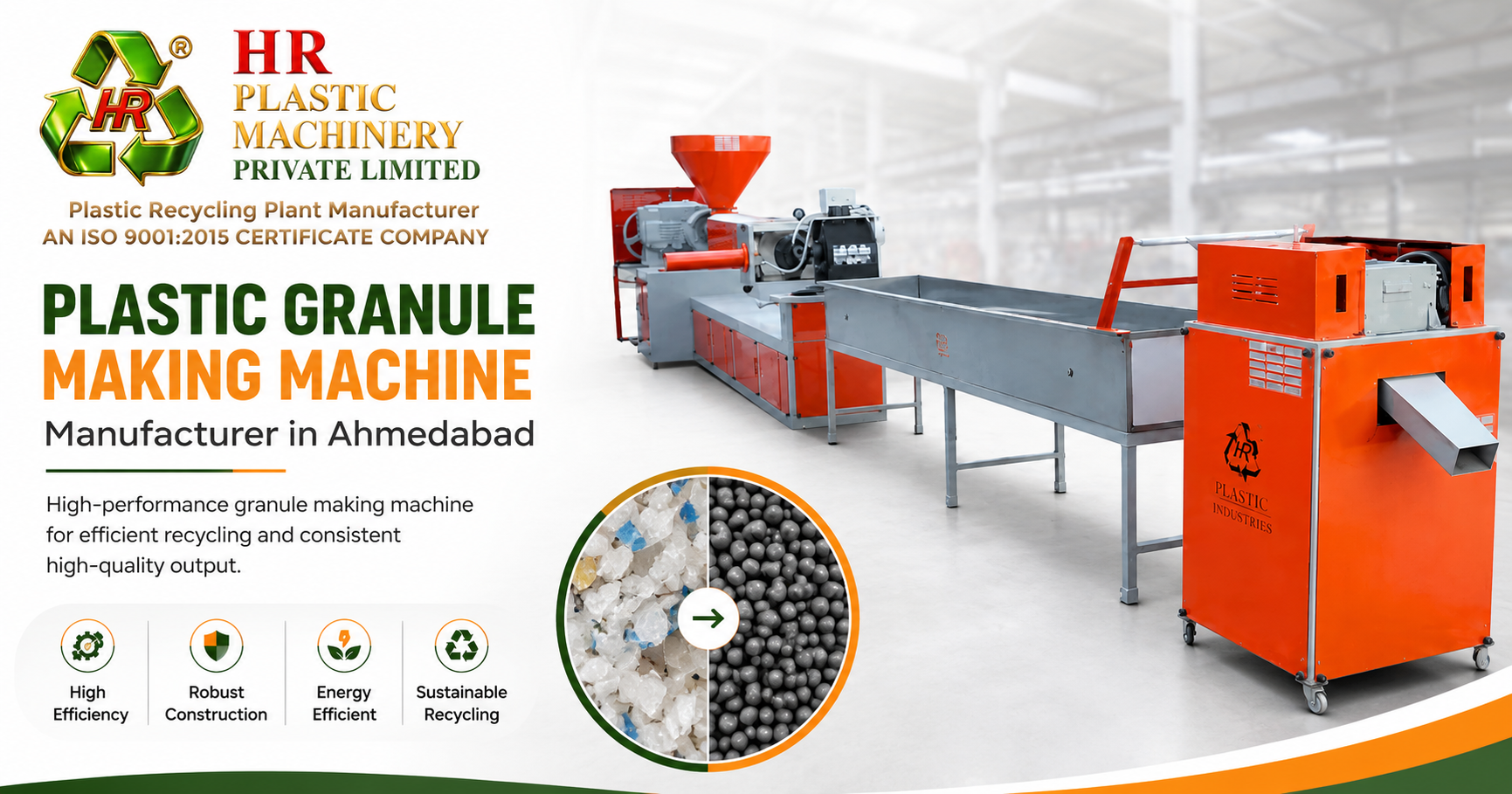
plastic granule making machine manufacturer in ahmedabad
Expert manufacturer of plastic granule making machines in Ahmedabad. Discover reliable, high-performance machinery for your recycling and production needs.
What is a Plastic Granule Making Machine? — Overview
A plastic granule making machine, often referred to as a dana making machine, is industrial equipment designed to process plastic waste or raw polymers into small, uniform pellets or granules. These machines typically involve a series of steps: feeding the plastic material (which can be in the form of flakes, films, or shredded pieces), melting it through an extruder, filtering out impurities, and then cutting the molten plastic into precise granules. The output granules can then be used as feedstock for various plastic manufacturing processes like injection molding, blow molding, or extrusion.
Key Features and Technical Specifications
When evaluating plastic granule making machines, several technical aspects are critical for performance and longevity:
- Screw Diameter and L/D Ratio: Determines the processing capacity and efficiency of melting and homogenization.
- Motor Power: Indicates the machine's ability to handle various plastic types and throughput volumes.
- Barrel Heating Zones: Precise temperature control is essential for processing different polymers without degradation.
- Filtration System: Ensures the removal of contaminants, leading to cleaner, higher-quality granules.
- Cutting Mechanism: Options like die face cutters or strand cutters affect granule shape, consistency, and production speed.
- Material Compatibility: Specifies the types of plastics the machine can effectively process (e.g., PP, HDPE, LDPE, ABS, Nylon).
- Cooling System: Efficient cooling of the extruded strands or die face is vital for granule formation.
- Control Panel: User-friendly interface for monitoring and adjusting operational parameters.
Industrial Applications and Use Cases
Plastic granule making machines are versatile and find applications across numerous industries:
- Plastic Recycling Facilities: Converting post-consumer and post-industrial plastic waste into reusable granules.
- Masterbatch Producers: Creating concentrated color or additive pellets for the plastics industry.
- Compounding Operations: Blending different polymers or additives to create specialized plastic compounds.
- In-house Reprocessing: Large plastic product manufacturers using their own scrap to reduce raw material costs.
- Film and Sheet Manufacturers: Recycling edge trim and rejected material from film extrusion lines.
- Molded Product Manufacturers: Reprocessing scrap from injection or blow molding processes.
- Textile and Fiber Producers: Recycling PP and PET waste for fiber applications.
- Automotive Component Suppliers: Processing plastic scrap generated during the manufacturing of parts.
How to Choose the Right Plastic Granule Making Machine
Selecting the appropriate machine involves careful consideration of your specific operational needs:
- Material Type and Volume: Identify the primary plastics you will process and the quantity required daily or monthly.
- Desired Granule Quality: Determine the required purity, size consistency, and physical properties of the final granules.
- Input Material Form: Assess whether you are processing flakes, films, shredded parts, or a mix.
- Production Capacity: Match the machine's output rate to your processing volume requirements.
- Ancillary Equipment Needs: Consider if you need integrated washing, drying, or agglomeration systems.
- Space and Power Availability: Ensure your facility can accommodate the machine's footprint and power demands.
- After-Sales Support and Service: Evaluate the manufacturer's ability to provide installation, training, and ongoing maintenance.
- Customization Options: Check if the machine can be adapted to unique processing challenges or material types.
Quality Standards and Compliance
For any industrial machinery, adherence to quality standards is paramount. Manufacturers should follow established engineering practices and, where applicable, comply with relevant Indian Standards (IS) or international certifications like ISO. For plastic machinery, this often relates to the safety of electrical components (e.g., CE marking for European markets, though not always mandatory for domestic sales but indicative of quality), the precision of mechanical parts, and the robustness of the control systems. Buyers should inquire about the materials used in critical components like screws and barrels, which directly impact wear resistance and product lifespan.
Why H.R. Plastic Machinery Private Limited's Experience Matters
Established in 1987, H.R. Plastic Machinery Private Limited brings decades of hands-on experience to the manufacturing of plastic processing equipment. This extensive history means a deep understanding of polymer behavior, machinery wear, and the evolving needs of the plastics industry. Their manufacturing process is honed through years of refinement, focusing on robust construction and precision engineering.
The company's technical capability is evident in their ability to design and build machines that are both efficient and durable. Their team of experienced engineers and technicians possesses the expertise to troubleshoot complex issues and develop innovative solutions. This collective knowledge ensures that each machine leaving their facility is built to perform reliably.
Furthermore, H.R. Plastic Machinery Private Limited's commitment to quality control throughout the manufacturing cycle, from material selection to final assembly, instills confidence. Their proven track record in supplying machinery across India highlights their delivery reliability and their capacity to support customers with after-sales service. This long-standing presence in Ahmedabad positions them as a trustworthy partner for businesses seeking dependable plastic granule making machinery.
Installation, Maintenance, and Care Tips
Proper installation and regular maintenance are crucial for the longevity and optimal performance of your plastic granule making machine.
- Installation: Ensure the machine is installed on a level, stable foundation. Connect electrical and any necessary pneumatic or water lines according to the manufacturer's specifications. Proper grounding is essential for safety.
- Initial Run-in: Follow the manufacturer's recommended procedure for the initial run-in period, often involving running the machine at reduced speeds and monitoring temperatures.
- Regular Cleaning: Clean the hopper, barrel, and die face regularly, especially when changing plastic types, to prevent cross-contamination and material buildup.
- Lubrication: Lubricate all moving parts, such as bearings and gearboxes, according to the recommended schedule to minimize wear.
- Screw and Barrel Inspection: Periodically inspect the screw and barrel for signs of wear. The L/D ratio can change over time, affecting processing efficiency.
- Filter Maintenance: Clean or replace filtration screens as needed to maintain optimal melt flow and granule quality.
- Temperature Monitoring: Consistently monitor barrel and die temperatures to prevent polymer degradation and ensure consistent granule properties.
- Emergency Stop Checks: Regularly test the emergency stop buttons and other safety features to ensure they are functioning correctly.
Frequently Asked Questions
Our machines are engineered to handle a wide range of polymers, including common plastics like PP (Polypropylene), HDPE (High-Density Polyethylene), LDPE (Low-Density Polyethylene), and ABS (Acrylonitrile Butadiene Styrene). We also offer configurations capable of processing more specialized materials such as PC (Polycarbonate) and Nylon, depending on the specific machine model and customization.
To determine the right capacity, consider the volume of plastic waste you generate or intend to process daily. Also, factor in the type of plastic, as some materials require longer processing times. We can help you assess your throughput requirements based on your specific input materials and desired output.
With proper maintenance and operation, a well-built plastic granule making machine can have a significant lifespan, often exceeding 10-15 years. The durability of critical components like the screw and barrel, along with regular servicing, plays a key role in its longevity and consistent performance over time.
Yes, the size and shape of the granules are primarily determined by the cutting mechanism and the die plate used. We offer various cutting systems, such as strand cutters and die face cutters, and can customize die hole sizes to achieve the precise granule dimensions required for your downstream applications.
We provide comprehensive after-sales support, including installation assistance, operator training, and readily available spare parts. Our technical team is also accessible for troubleshooting and maintenance guidance to ensure your machine operates efficiently and minimizes downtime.
Absolutely. We understand that different plastic waste streams can present unique challenges. We specialize in offering customized solutions, working closely with clients to modify machine designs, screw configurations, and processing parameters to effectively handle specific types of difficult-to-process materials.
Conclusion
For businesses in Ahmedabad seeking to establish or enhance their plastic recycling and granulation operations, partnering with an experienced manufacturer is essential. A reliable plastic granule making machine, backed by robust engineering and dedicated support, can significantly improve material utilization, reduce costs, and contribute to a more sustainable manufacturing process. Evaluating your specific material types, desired output quality, and production volumes, alongside the manufacturer's expertise and commitment to quality, will lead to a successful investment.
Get In Touch
Hr Plastic Machinery Pvt. Ltd.
